
Asperula glomerata
Asperula glomerata
Description
Growing requirements
Asperula glomerata is a perennial herbaceous plant belonging to the Rubiaceae family. Historically native to rocky slopes and highland meadows, this species is well-adapted to environments where drainage is a critical factor for plant survival.
The crop thrives in light, well-drained soils, preferably with a slightly alkaline pH. Proper soil aeration is essential, as the root system of Asperula glomerata is susceptible to damage in waterlogged or overly compacted substrates.
Climatic requirements involve a preference for temperate zones with abundant sunshine. While the species exhibits natural drought resistance, consistent moisture levels during the early spring vegetative stage significantly improve overall plant development and density.
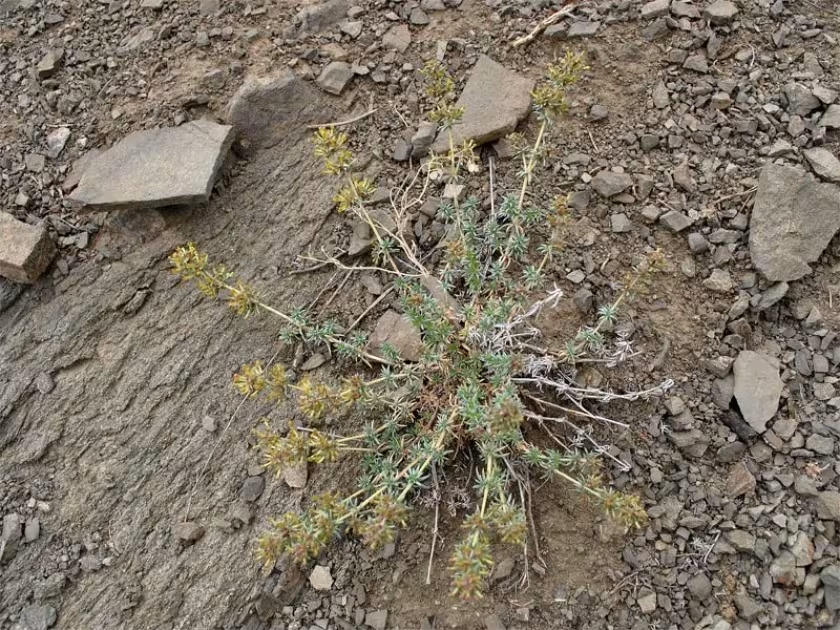
Botanically, the plant is characterized by its whorled leaves and distinct inflorescences where small flowers are clustered together. Its growth habit is relatively compact, making it an efficient choice for ground cover in specific climatic conditions.
The primary agricultural and horticultural uses include soil stabilization on slopes and aesthetic landscaping in rock gardens. Due to its chemical composition, it is also studied for its potential applications within the botanical industry.
Main diseases and pests
Fungal pathogens such as mildew pose the most significant risk to Asperula glomerata, especially when planted in areas with poor air circulation or excessive soil humidity during the dormant season.
Insect pests, including aphids and spider mites, can damage the succulent parts of the plant. Maintaining adequate spacing between individual plants and implementing clean cultivation practices helps mitigate these biological threats.