
Sweet woodruff
Asperula graveolens
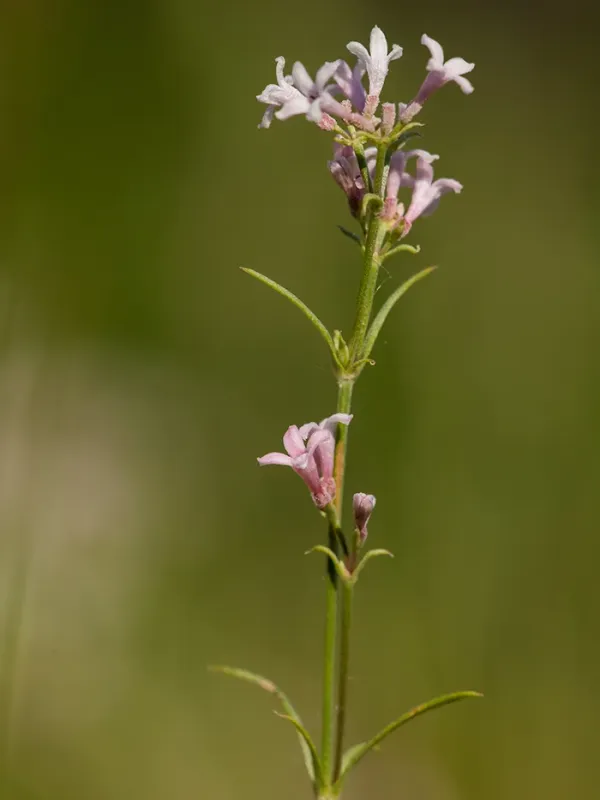
Description
Sowing dates
Sweet woodruff is a perennial herb that is primarily propagated either through seeds or by dividing the rhizomes during the dormant spring or autumn seasons.
Seeds require a period of cold stratification to break dormancy, making autumn sowing directly into the soil the most effective natural method for propagation.
If sowing in the spring, seeds must be pre-chilled in a refrigerator for several weeks to ensure a higher germination rate upon planting.
Vegetative propagation involves lifting established clumps and splitting them into smaller sections, which should be replanted immediately into moist soil.
When planting, ensure the seeds are barely covered with a thin layer of soil, as they need a small amount of light to germinate effectively.
Growing requirements
The plant thrives in partial to full shade, reflecting its natural habitat as an understory plant within cool, moist forest ecosystems.
Soil requirements include high organic content, good drainage, and a slightly acidic to neutral pH balance to support healthy leaf development.
Consistent soil moisture is essential for this species, especially during the spring growth phase, although the soil must never be waterlogged.
It is fully hardy in temperate climates, showing excellent resistance to frost and winter conditions without the need for additional protective mulch.
In hot or dry summers, supplementary irrigation is recommended to prevent the foliage from wilting and to maintain the plant's essential oil production.
Main diseases and pests
Sweet woodruff is generally resistant to pests and diseases, provided that the growing environment is correctly managed to avoid extreme conditions.
Excessive soil humidity can lead to root rot, caused by fungal pathogens that thrive in compacted or poorly drained soil environments.
Slugs and snails are the primary pests that damage the foliage, particularly during damp spring weather when new growth is tender and succulent.
To reduce disease risk, growers should ensure proper spacing between individual plants to promote airflow and prevent the buildup of stagnant humidity.
Biological and physical control methods are preferred over chemical pesticides, such as clearing debris from the garden to eliminate slug habitats.
Harvesting
The harvesting window occurs during the peak flowering stage, which is the time when the concentration of coumarin is highest in the plant tissue.
Stems should be harvested using sharp shears, taking care to leave the root system intact to ensure the patch remains productive for the following years.
Post-harvest processing involves drying the stems in a cool, dark, and well-ventilated area to lock in the characteristic sweet, hay-like fragrance.
Avoid heat-drying the product, as temperatures above 40 degrees Celsius can degrade the aromatic compounds that define the quality of the dried herb.
Once dried, the crop should be stored in opaque, airtight containers to maintain its potency and prevent degradation from light and moisture exposure.