
Smooth woodruff
Asperula laevigata
Description
Growing requirements
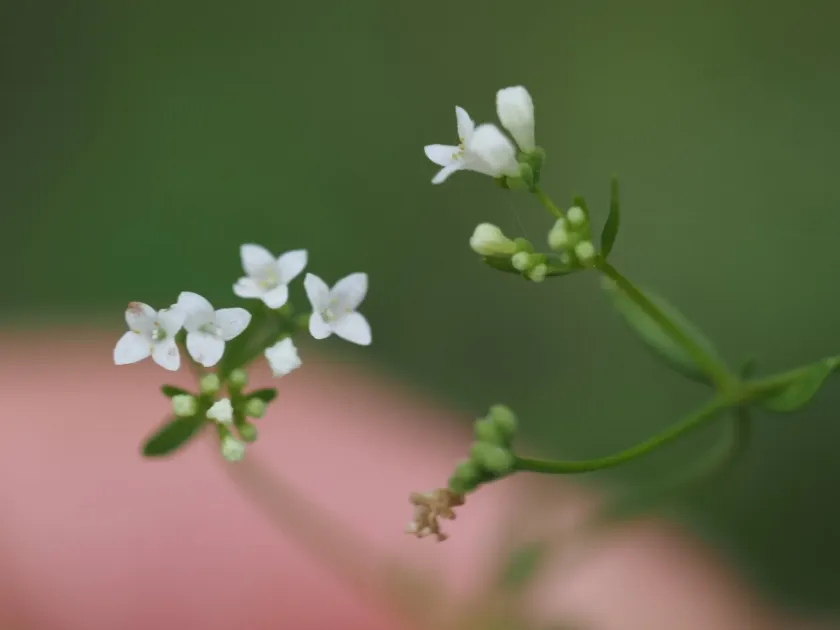
Smooth woodruff (Asperula laevigata) is a perennial herbaceous plant belonging to the Rubiaceae family. This species is recognized for its slender stems and whorled leaves, forming an elegant and dense vegetative cover in appropriate growing conditions.
Native to forest edges and shaded habitats, this plant thrives in environments that provide moderate temperatures and protection from harsh weather. It is particularly well-suited for woodland gardening as it effectively occupies the lower canopy layers.
The culture requires rich, moist, and well-draining soil to maintain its peak vitality. It prefers organic-matter-rich substrates that mimic the floor of a temperate forest, ensuring both nutrient availability and proper aeration for the root system.
Light exposure is a critical factor for the development of Smooth woodruff, as it performs best in partial to full shade. Direct exposure to intense sunlight for prolonged periods can lead to leaf scorching and significantly inhibit the plant's growth rate.
In terms of agricultural and horticultural use, it serves primarily as an effective groundcover plant. Its ability to spread and form thick mats makes it an excellent choice for erosion control in shaded areas and for ornamental landscaping purposes.
Main diseases and pests
The primary threats to Smooth woodruff cultivation are fungal infections, typically triggered by high humidity levels or poor drainage. These pathogens can cause significant foliage damage, leading to the yellowing or browning of leaves.
Root rot is a common issue when the plant is situated in waterlogged soil for extended durations. It is crucial to monitor soil saturation levels, especially during the dormant season, to prevent the decay of delicate root systems.
Gastropod pests, such as slugs and snails, represent a major challenge for the plant, as they readily consume young, succulent tissues. Implementing integrated pest management strategies is essential to minimize damage and ensure healthy foliage development.
Aphid infestations can occur during the active growing phase, particularly in spring. These insects tend to cluster on developing shoots, extracting sap and potentially acting as vectors for various secondary plant diseases.
Regular sanitation, such as removing debris and thinning out overcrowded plantings, is vital to maintaining air circulation. Good ventilation significantly reduces the risk of mildew development and keeps the plant canopy healthy throughout the season.