
Asperula nitida
Asperula nitida
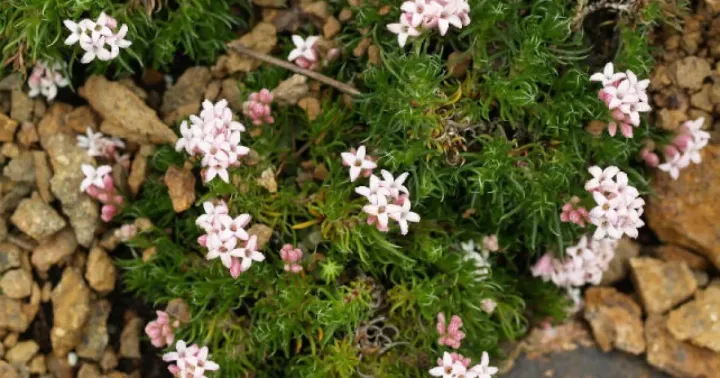
Description
Growing requirements
Asperula nitida, commonly known as shiny woodruff, is a low-growing perennial herb belonging to the Rubiaceae family. This species is native to the rocky and mountainous regions of Greece, where it thrives in exposed, calcareous environments.
Botanically, it forms dense, mat-like cushions covered with narrow, needle-like leaves that appear glossy, giving the plant its specific name. During the blooming season, the cushions are adorned with small, terminal flower clusters that range from pale pink to white.
For cultivation, Asperula nitida requires highly permeable, mineral-rich, stony soil. It is an ideal candidate for alpine gardens, rock crevices, or troughs where moisture drainage is optimal, as the plant is highly susceptible to root rot in waterlogged conditions.
The plant demands full sun exposure to maintain its compact habit and ensure regular flowering. It is well-adapted to high-altitude climates and requires protection from excessive winter wetness, which is more detrimental to the plant than cold temperatures themselves.
Its primary agricultural and horticultural utility is within the landscaping sector, specifically for rock garden construction. Its slow growth rate and evergreen nature make it a perfect choice for small-scale landscape designs and niche plantings in alpine environments.
Main diseases and pests
The most significant threats to Asperula nitida are fungal pathogens, specifically those causing root and crown rot. These issues are almost exclusively associated with improper drainage and stagnant humidity around the crown of the plant.
Pests such as aphids may occasionally infest new spring growth. While rarely fatal, they can weaken the plant and reduce its aesthetic appeal. Integrated pest management, including natural predators, is preferred over chemical interventions in rock garden settings.
Soil-borne nematodes can occasionally infest the roots in dense or poorly aerated soils. Ensuring a light, gritty soil structure is the best cultural practice to prevent such issues from compromising plant health.
Maintaining air circulation is critical for preventing mildew and other foliar diseases. Crowding the plant with other aggressive species will increase humidity levels and significantly raise the risk of fungal infections.
Regular monitoring and prompt removal of dead foliage are necessary to maintain a healthy display. If a plant shows signs of sudden decline, checking the soil moisture and root zone for pathogens is the first recommended diagnostic step.