
Asperula beckiana
Asperula beckiana
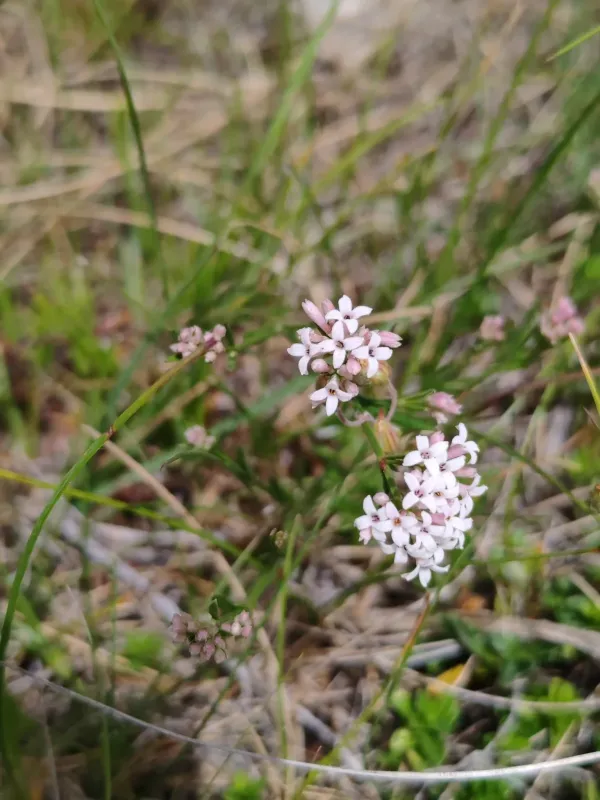
Description
Growing requirements
Asperula beckiana is a perennial herbaceous plant belonging to the Rubiaceae family. This rare species is native to specific mountainous regions in the Balkans, typically found in calcareous rock crevices and stony slopes.
To successfully cultivate this species, it is essential to replicate its natural environment. The plant requires well-drained, lime-rich soil with an alkaline pH level, as it is highly sensitive to acidic environments and waterlogged ground.
The climatic conditions should be cool and temperate. Asperula beckiana thrives in regions with moderate moisture and fresh air circulation, making it susceptible to heat stress if planted in enclosed, stagnant areas.
Light exposure is a critical factor for healthy growth. While it tolerates bright light, partial shade is recommended during peak summer afternoons to prevent the foliage from scorching and the root zone from drying out too quickly.
Agronomic management involves minimal intervention. Once established, the plants are relatively self-sufficient, requiring irrigation only during prolonged droughts and occasional weeding to ensure they are not outcompeted by more vigorous species.
Main diseases and pests
The primary threats to Asperula beckiana are fungal pathogens, specifically those that attack the roots and crown when soil moisture is poorly managed.
Damping-off disease can affect seedlings if humidity levels remain too high and ventilation is inadequate, requiring careful monitoring during the early stages of development.
Common garden pests such as aphids and spider mites may target the plant during the growing season, particularly if the plant is under abiotic stress from improper watering.
Gastropods, including slugs and snails, can cause significant damage to the succulent leaves and stems, necessitating the use of physical or organic barriers.
Preventative measures should focus on site selection, ensuring that the planting medium is loose and porous to allow for rapid water drainage and root aeration.