
Asperula scoparia
Asperula scoparia
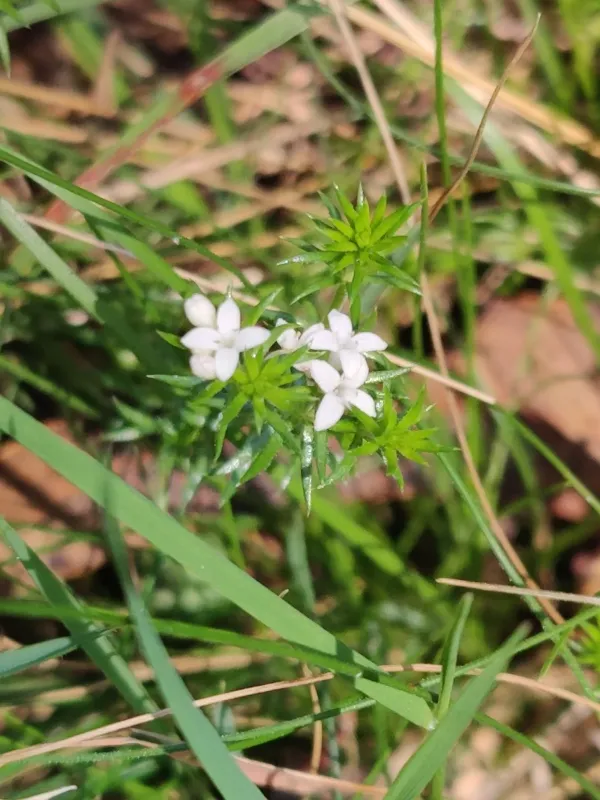
Description
Sowing dates
Sowing of Asperula scoparia is best performed during the early spring when soil temperatures allow for consistent germination. Stratification of seeds is a recommended practice to improve overall field emergence.
Seeds should be sown at a shallow depth, ensuring they are pressed firmly into the soil surface to maintain moisture contact, which is vital for early development.
Row spacing should be optimized based on local climate and soil fertility levels to prevent overcrowding and allow for efficient mechanical weed control during the growing season.
Early-stage weed suppression is essential as the crop is quite slow to establish during its initial growth phases, making manual or mechanical inter-row cultivation necessary.
Fall sowing is also a viable option in milder climates, allowing the seeds to undergo a natural dormancy-breaking period before germinating in the following spring.
Growing requirements
Belonging to the Rubiaceae family, Asperula scoparia thrives in light, well-drained, and lime-rich soils which provide the ideal chemical environment for its growth.
The plant requires full sun to partial shade; however, excessive shade can significantly reduce the concentration of secondary metabolites in the harvested plant material.
Proper drainage is the most critical environmental requirement, as this species is highly susceptible to root diseases caused by waterlogging in heavy or compacted soils.
Soil pH should ideally be neutral or slightly alkaline. If soil tests indicate high acidity, liming is recommended as a preparatory step before establishing the field.
Though the plant is drought-tolerant once established, supplemental irrigation during the seedling stage significantly improves the final stand and crop health.
Main diseases and pests
The most common issues for this crop are fungal pathogens, particularly root rots and wilting diseases that occur when soil moisture is poorly managed.
Pests such as aphids and small mites can occasionally target the foliage during hot and dry spells, requiring integrated pest management strategies to protect the crop.
Weed competition is a major biological threat, as aggressive weeds can quickly outcompete the crop for nutrients, water, and sunlight during the critical early growth stage.
Proper field sanitation and crop rotation help to minimize the buildup of soil-borne pathogens that target the Rubiaceae family in intensive farming systems.
Early detection and monitoring programs are recommended to identify pest or disease outbreaks before they lead to widespread economic loss in the production area.
Harvesting
Harvesting is ideally conducted during the peak flowering stage to ensure the highest yield of biomass and secondary metabolites, which are essential for commercial use.
Mowing should be performed at a height that avoids damaging the basal parts of the plant, ensuring the rootstock remains healthy for vegetative regrowth in subsequent seasons.
Once harvested, the plant material must be quickly moved to a drying environment to prevent fermentation, which can rapidly lower the quality of the raw material.
Drying should take place in shaded, well-ventilated areas or specialized convection dryers, maintaining temperatures low enough to preserve volatile compounds.
Post-harvest storage requires moisture-resistant containers in a cool, dark place to maintain product shelf life and chemical stability for processing or sale.