
Asperula tephrocarpa
Asperula tephrocarpa
Description
Growing requirements
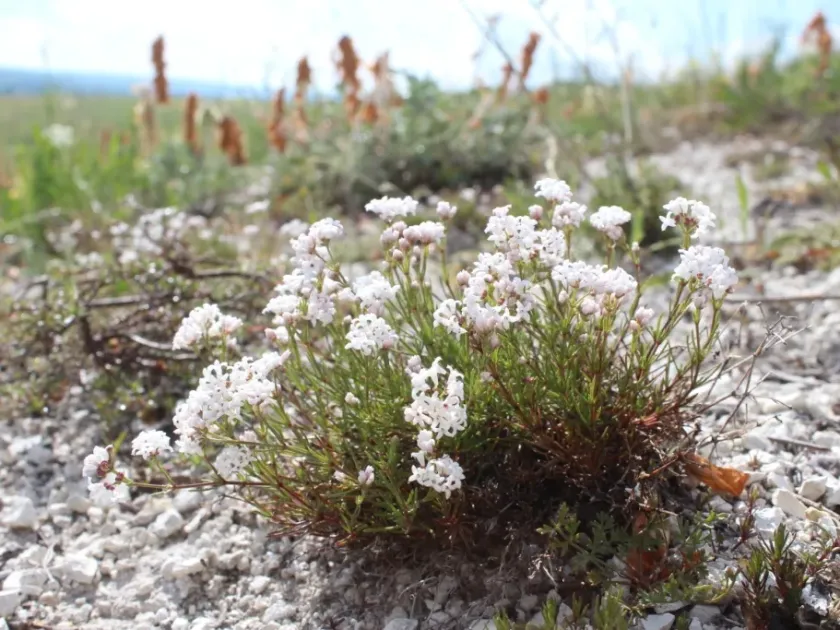
Asperula tephrocarpa, a member of the Rubiaceae family, is a perennial herbaceous plant known for its adaptation to specific ecological niches, particularly chalk outcrops and limestone-rich soils.
The plant is native to steppe regions where it thrives on nutrient-poor, rocky substrates. It has evolved strong xerophytic traits, allowing it to maintain metabolic processes during periods of significant moisture deficit.
For successful cultivation, it is essential to provide well-drained, alkaline, or neutral soil. The moisture regime should be strictly controlled, as water stagnation often leads to the decline of root systems in this sensitive species.
Asperula tephrocarpa requires full sun exposure to flourish. It demonstrates excellent winter hardiness, making it suitable for continental climates where temperatures fluctuate significantly throughout the year.
Botanical studies indicate that this species plays a vital role in stabilizing rocky slopes. Its root system is well-adapted to penetrate hard substrates, which highlights its potential for specialized ornamental use or land reclamation projects.
Main diseases and pests
The primary threats to Asperula tephrocarpa include soil compaction and improper drainage, which promote the proliferation of pathogenic fungi causing root and collar rot in susceptible populations.
Pests, such as various aphids and Curculionidae beetles, may occasionally infest the foliage. While usually not fatal in wild populations, these can significantly reduce vigor in cultivated garden or greenhouse conditions.
Competition from invasive or fast-growing weed species poses a constant risk, especially during the establishment phase of the plant when it is most vulnerable to resource competition.
Environmental degradation, including erosion and the destruction of native chalk-based habitats, remains the most significant threat to the long-term survival and distribution of this unique plant.
Preventive management involves careful site selection and the avoidance of chemical fertilizers that might alter the delicate soil chemistry required by the species to compete effectively with non-adapted vegetation.