
Asperula neilreichii
Asperula neilreichii
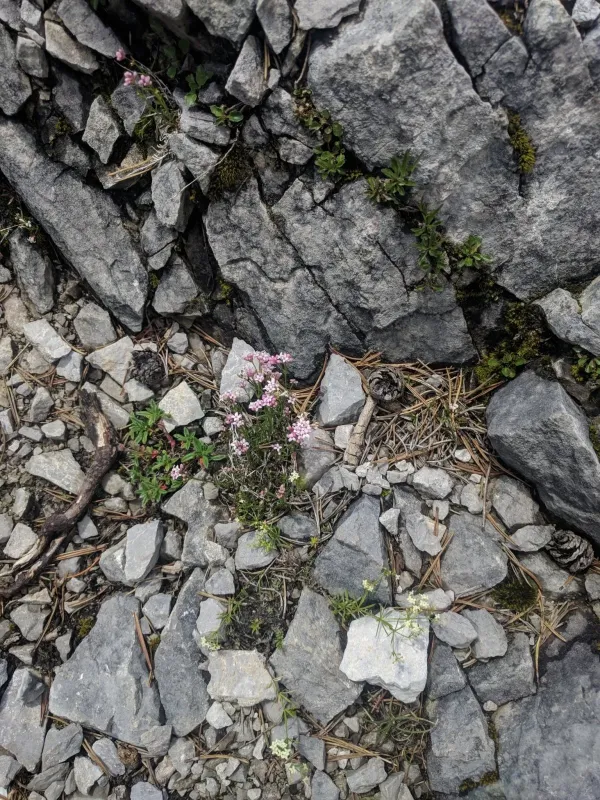
Description
Growing requirements
Asperula neilreichii is a perennial herbaceous plant belonging to the Rubiaceae family. This species is native to specific mountainous regions, primarily thriving in limestone-rich environments, which defines its distinct preference for alkaline and well-drained substrates.
Botanically, the plant forms dense, compact cushions that are highly valued for their aesthetic appeal in rock gardens. Its foliage consists of small, narrow leaves arranged in whorls, while the small, four-petaled white flowers bloom in late spring and early summer.
For successful cultivation, the plant requires a sunny position and a substrate that mimics its natural habitat, emphasizing excellent drainage. Stagnant water is detrimental to the root system, often leading to rapid decline or fungal decay.
As an alpine species, Asperula neilreichii exhibits significant cold tolerance, making it suitable for temperate climates with harsh winters. It does not require intensive fertilization, as it is well-adapted to the nutrient-poor conditions of rocky slopes.
In landscaping, this species serves as an ideal ground cover for rockeries, scree gardens, and alpine troughs. Its slow but steady growth habit allows it to create long-lasting, low-maintenance mats that suppress weed growth effectively.
Main diseases and pests
The primary threat to the health of Asperula neilreichii is excessive moisture in the root zone. During periods of heavy rainfall, it is critical to ensure that the site has sufficient drainage capacity to prevent the development of root rots.
Gastropod pests, such as slugs and snails, represent a significant threat to the tender growth of the cushions. Implementing protective barriers or using organic management techniques is recommended to preserve the integrity of the foliage.
Poor air circulation within the dense cushions can lead to fungal issues, especially if the planting density is too high. Proper spacing during initial installation is essential for maintaining a dry and healthy micro-environment.
Nutritional imbalances, particularly deficiencies in soil calcium, can weaken the plant's structural vigor. While it is a low-fertility plant, ensuring the soil pH remains within the neutral to slightly alkaline range is crucial for long-term survival.
Neglecting to remove invasive weeds around the plant can lead to competition for light and nutrients, which eventually causes the cushion to open up or lose its compactness. Regular maintenance ensures the longevity of the plant.