
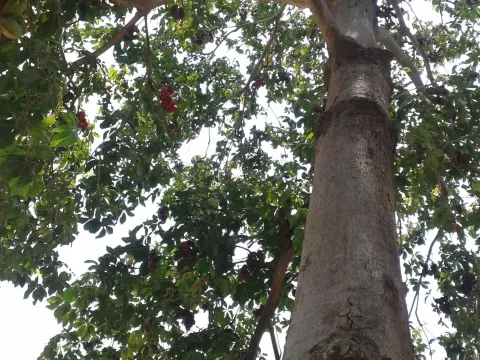
Sterculia
Sterculia
Propagation of Sterculia is primarily performed through seeds or vegetative cuttings in professional nursery environments. Seeds require a well-drained, nutrient-rich medium with temperatures maintained between 22 and 25 degrees Celsius for optimal germination.
What the section contains
 African Sterculia
Sterculia africana
African Sterculia
Sterculia africana
 Chinese sterculia
Sterculia lanceolata
Chinese sterculia
Sterculia lanceolata
 Fiji Sterculia
Sterculia vitiensis
Fiji Sterculia
Sterculia vitiensis
 Heart-leaved Sterculia
Sterculia cordata
Heart-leaved Sterculia
Sterculia cordata
 Peanut tree
Sterculia quadrifida
Peanut tree
Sterculia quadrifida
 Sterculia apetala
Sterculia apetala
Sterculia apetala
 Sterculia balanghas
Sterculia balanghas
Sterculia balanghas
 Sterculia ceramica
Sterculia dawei
Sterculia dawei
Sterculia ceramica
Sterculia ceramica
Sterculia dawei
Sterculia dawei
 Sterculia foetida
Sterculia foetida
Sterculia foetida
 Sterculia hamiltonii
Sterculia hamiltonii
Sterculia hamiltonii
 Sterculia lanceifolia
Sterculia lanceifolia
Sterculia lanceifolia
 Sterculia macrophylla
Sterculia macrophylla
Sterculia macrophylla
 Sterculia megistophylla
Sterculia megistophylla
Sterculia megistophylla
 Sterculia monosperma
Sterculia monosperma
Sterculia monosperma
 Sterculia nobilis
Sterculia nobilis
Sterculia nobilis
 Sterculia oblongata
Sterculia oblongata
Sterculia oblongata
 Sterculia parviflora
Sterculia parviflora
Sterculia parviflora
 Sterculia pruriens
Sterculia pruriens
Sterculia pruriens
 Sterculia quinqueloba
Sterculia quinqueloba
Sterculia quinqueloba
 Sterculia rhinopetala
Sterculia rhinopetala
Sterculia rhinopetala
 Sterculia rhynchocarpa
Sterculia rhynchocarpa
Sterculia rhynchocarpa
 Sterculia rogersii
Sterculia rogersii
Sterculia rogersii
 Sterculia rubiginosa
Sterculia rubiginosa
Sterculia rubiginosa
 Sterculia rugosa
Sterculia rugosa
Sterculia rugosa
 Sterculia setigera
Sterculia setigera
Sterculia setigera
 Sterculia tragacantha
Sterculia tragacantha
Sterculia tragacantha
 Sterculia urens
Sterculia urens
Sterculia urens
 Sterculia villosa
Sterculia villosa
Sterculia villosa
Sterculia
In their native tropical habitats, germination typically coincides with the onset of the rainy season, which provides the necessary hydration for seedling establishment. In cultivation, constant humidity levels must be strictly monitored during the early growth stages.
Transplanting into the field is recommended when seedlings reach a robust stage, usually 6 to 12 months post-germination. Proper spacing between trees is essential to prevent canopy competition and ensure adequate airflow.
Agronomists suggest applying rooting stimulants and organic-rich soil amendments during the initial planting phase to facilitate rapid root development. Establishing a strong root system is critical for the long-term survival of the crop.
During the first two years, young trees require supplemental irrigation and protection from extreme solar radiation to ensure high survival rates in the field.
Sterculia, a genus within the Malvaceae family, is highly adapted to tropical and subtropical climates. It is sensitive to frost and extreme temperature fluctuations, which can severely damage its vascular system.
The ideal soil conditions include deep, well-draining loams or sandy soils with a neutral to slightly acidic pH. Poorly drained soils lead to root rot and should be avoided or corrected with drainage systems.
High light intensity is necessary for vigorous growth and healthy flowering cycles. Shaded environments inhibit photosynthesis and significantly reduce the quality and quantity of the exudate or seed crop.
The plant thrives in regions with significant annual rainfall, ideally between 1500 and 2500 mm. In regions with long dry seasons, irrigation systems must be implemented to maintain plant health.
Nutrient management is vital; a balanced fertilizer program focused on nitrogen, phosphorus, and potassium supports the tree's metabolic needs during the active growing season.
The primary agricultural interest in Sterculia lies in the harvest of its gum, which is collected through tapping the trunks of mature trees. This exudate is widely utilized in the food and pharmaceutical industries.
Secondary harvesting involves seeds, which contain valuable oils utilized in cosmetic formulations. The extraction process requires specialized equipment to ensure the purity and quality of the oil.
Commercial harvesting typically commences when trees reach 5 to 7 years of age. Peak production is usually observed in mature stands aged 15 to 25 years, representing a long-term agricultural asset.
Sustainable tapping practices are essential to prolong the productive life of the tree. Careful incisions ensure that the xylem and phloem are not permanently damaged during the harvesting of the gum.
Professional management of the plantation ensures a consistent yield profile and allows for the long-term sustainability of the agricultural operation.
Fungal infections are the most common concern for Sterculia plantations, particularly in high-humidity environments. Anthracnose and powdery mildew can significantly compromise the foliage and overall tree health.
Pests such as mealybugs and scale insects frequently attack tender shoots, necessitating integrated pest management strategies. Biological control agents are often preferred to maintain ecological balance.
Root rot remains a major threat primarily due to poor soil drainage. Preventive maintenance, including regular inspection of soil conditions, is the most effective approach to mitigating this risk.
Defoliating insects can occasionally cause damage, but regular monitoring through scouting ensures that infestations are detected and addressed before they reach economic injury levels.
Regular sanitary pruning of dead or diseased wood prevents the buildup of pathogens within the canopy and promotes better air circulation, which helps prevent major outbreaks.