
Sterculia rhynchocarpa
Sterculia rhynchocarpa
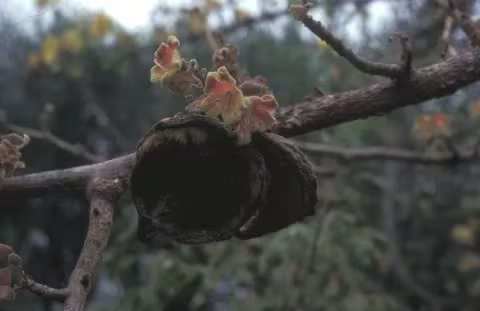
Description
Sowing dates
Sterculia rhynchocarpa is a tropical tree species belonging to the Malvaceae family, typically propagated through seeds in nurseries before being transplanted.
Seeds of this species have a limited shelf life and should be sown shortly after harvesting to ensure maximum germination rates in suitable soil mixtures.
The ideal time for sowing coincides with the onset of the rainy season, providing the seedlings with the consistent moisture necessary to establish strong root systems.
Seeds should be planted at a depth of 2–3 centimeters with adequate spacing to allow for the initial expansion of young plants without competing for nutrients.
Seedlings benefit from partial shading during the first few months of development to protect them from excessive heat and direct sunlight in the early nursery phase.
Growing requirements
This species is well-adapted to tropical climates where consistent warmth and moderate to high rainfall patterns predominate throughout the growing year.
Proper soil management is critical; the tree requires well-drained, fertile soil, as waterlogged conditions often lead to root rot and significant plant mortality.
While the tree can withstand short periods of seasonal drought, optimal growth and consistent productivity depend on reliable water availability during the peak vegetative stage.
Sunlight exposure is essential for the tree's photosynthesis, making open or semi-open sites the preferred locations for establishing productive plantations.
Adding organic matter to the soil during land preparation improves moisture retention and nutrient availability, which are vital for the healthy maturation of the trees.
Yield
The primary economic value of Sterculia rhynchocarpa lies in the harvest of its plant gum, which is utilized in various food and pharmaceutical applications worldwide.
Yield capacity matures over time, with the most significant harvest quantities typically achieved from trees that have reached 7–10 years of age.
In addition to the gum, the seeds are of interest for their potential oil content and other biochemical properties, reflecting the multifunctional use of this crop.
Intensive plantation management, including selective pruning and targeted nutrient application, significantly increases the output of both raw materials and plant health.
Economic returns are highly dependent on harvesting techniques, as careful extraction methods ensure the tree remains healthy enough for future production cycles.
Main diseases and pests
Fungal infections in the root zone, often caused by poor drainage or excessive humidity, represent the most common threat to the longevity of the tree.
Pests such as wood-boring insects can cause severe internal structural damage, necessitating regular inspections of the bark and trunk area to identify early signs of infestation.
The spread of pathogens is most prevalent in dense stands where air circulation is restricted, highlighting the importance of proper spacing and hygiene in plantations.
Integrated pest management strategies, including the removal of infected branches and the use of natural predators, help maintain a balance in the ecosystem.
Maintaining high plant vigor through proper nutrition is the most effective biological defense against many common diseases encountered in tropical environments.
Harvesting
The harvesting of Sterculia rhynchocarpa involves manual collection of seeds once the fruit pods turn brown and begin to split open on the tree branches.
Gum collection requires a precise tapping process where shallow incisions are made in the bark to allow the resinous substance to flow and harden naturally.
Once gathered, the material requires thorough cleaning to remove dirt, bark particles, and other contaminants that could lower the commercial grade of the product.
Drying the collected harvest is a critical post-harvest step to prevent mold growth, typically done under controlled conditions in ventilated drying sheds.
Standardized packaging protects the harvest from humidity and pests, ensuring that the valuable properties of the product remain stable during shipping and storage.