
Sterculia pruriens
Sterculia pruriens
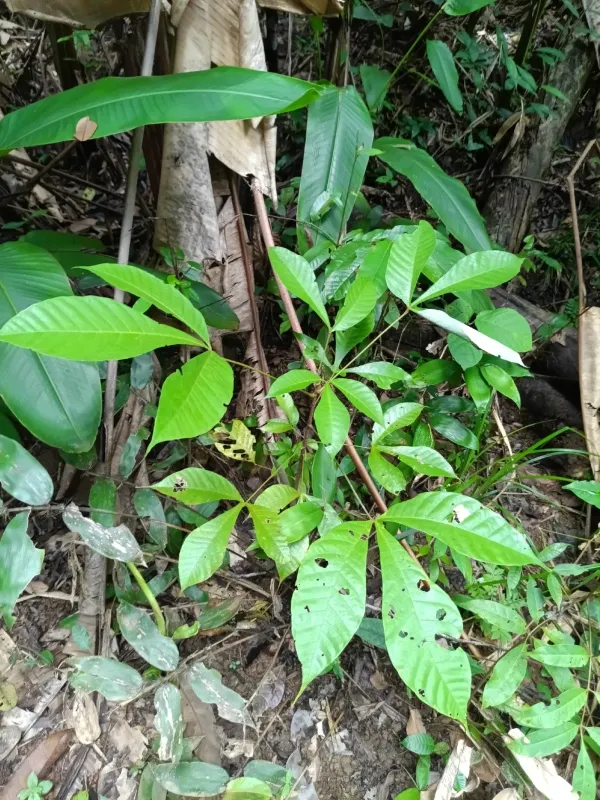
Description
Growing requirements
Sterculia pruriens belongs to the Malvaceae family, specifically the Sterculioideae subfamily. It is an arboreal species native to the tropical forests of South America, where it thrives in humid and warm climates.
The tree requires a specific tropical environment characterized by high humidity levels and consistent temperatures. It thrives in deep, fertile soils that are common in rainforest ecosystems, requiring excellent drainage to prevent root rot in high-rainfall areas.
Botanically, the species is recognized by its distinct fruit structures—follicles that are covered in fine, irritating hairs. These hairs serve as a defensive mechanism, causing physical discomfort to organisms that attempt to consume or handle the fruit pods prematurely.
In terms of economic utility, the tree is primarily utilized in regional forestry. The timber is harvested for local construction purposes, and the fibrous inner bark has historically been processed into cordage and raw textile fibers for traditional handicrafts.
The tree plays a crucial role in maintaining local biodiversity within its native range. As a member of the Malvaceae family, it contributes significantly to the biomass and nutrient cycling of tropical habitats, supporting complex interactions with various insect and bird species.