
Sterculia oblongata
Sterculia oblongata
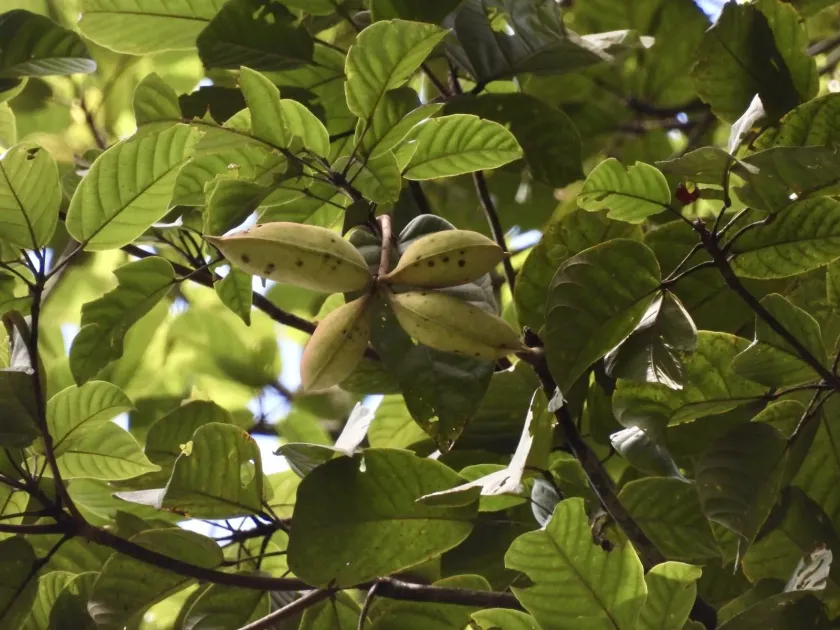
Description
Growing requirements
Sterculia oblongata is a tropical tree species belonging to the Malvaceae family. It is native to the rainforests of Southeast Asia and is recognized for its unique botanical features, including characteristic follicle fruits.
The plant thrives in equatorial climates characterized by high humidity and consistent annual temperatures. It is strictly limited to tropical zones and cannot survive in regions with frost or prolonged cool periods.
Cultivation requires deep, fertile, and well-drained soils. Soil moisture management is critical, as waterlogging can cause rapid root decay, while persistent drought stunts the tree's growth and overall development.
Agricultural management involves providing a balanced nutrient supply through organic and mineral fertilization. Young trees benefit from partial shade, while mature individuals are more capable of handling direct sunlight exposure.
Weed management in plantations is essential during the early stages of growth to ensure that seedlings have sufficient access to light and nutrients. Regular monitoring of the soil nutrient profile helps in maintaining optimal vigor.
Harvesting
The primary economic value of Sterculia oblongata lies in its bark, which serves as a source of durable natural fiber. This fiber has historically been used in local textile and cordage industries due to its strength.
Harvesting the fiber involves stripping the bark from the trunks, followed by a retting process to separate the fibrous components from the internal woody tissues. This technique requires traditional knowledge for high-quality results.
Seed harvesting is conducted when the follicles reach maturity and begin to dehisce. Proper timing is vital to ensure seed viability for further nursery propagation and reforestation efforts.
Timber utilization requires careful drying processes to prevent warping or cracking of the wood. The wood is often treated for resistance to tropical wood-boring insects, which pose a significant risk to harvested materials.
Sustainable plantation practices involve selective harvesting, ensuring that the ecological balance of the site is maintained. Continuous monitoring of the stand density and tree health is recommended for long-term productivity.