
Mansonia
Mansonia
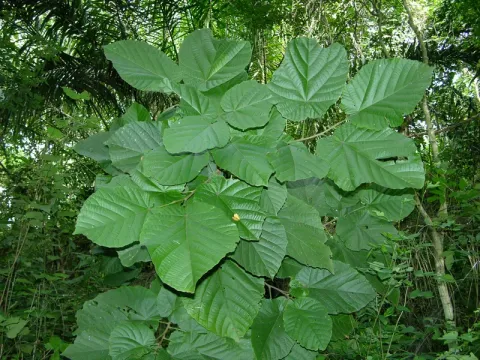
Mansonia (Mansonia altissima) is a valuable timber tree belonging to the Malvaceae family. Native to the tropical forests of West and Central Africa, it is highly regarded for its dark, walnut-like wood which is utilized in fine furniture and luxury joinery.
What the section contains

Mansonia
The tree thrives in environments characterized by high, uniform temperatures throughout the year. It requires a humid climate with substantial rainfall, making it unsuitable for cultivation in regions prone to frost or extreme seasonal temperature fluctuations.
Successful cultivation requires deep, well-drained, and nutrient-rich soils. Mansonia is particularly sensitive to waterlogging; therefore, selecting sites with excellent soil drainage is a fundamental requirement for establishing productive plantations.
As a light-demanding species, Mansonia needs significant sunlight exposure to maintain healthy development and achieve its maximum potential height. In its native habitat, it competes for dominance in the forest canopy to reach necessary solar radiation levels.
Agronomic management involves meticulous care during the early stages of growth, as the tree exhibits a relatively slow growth rate in its juvenile period. Plantation management requires regular weed control and monitoring to ensure that saplings are not outcompeted by aggressive pioneer species.
The tree faces several threats from biological pests and diseases, particularly when growing in sub-optimal environments. Fungal infections are common, often entering through wounds on the bark caused by insects or physical damage to the trunk.
Boring insects represent a significant challenge for foresters, as they penetrate the bark and inner wood, creating tunnels that facilitate the entry of secondary pathogens. This damage significantly reduces the quality of the timber for commercial use.
Root rot is a prevalent issue caused by poorly managed soil water conditions. Excessive moisture leads to stagnant water zones, which trigger the proliferation of soil-borne pathogens that target the root systems of younger, more vulnerable specimens.
Maintenance programs involve systematic surveillance of plantation health to detect early signs of infestation. Prompt removal of infected branches or entire trees is often necessary to prevent the spread of diseases within the forest plot.
Environmental stress, such as prolonged droughts, can weaken the tree's natural defense mechanisms. Consequently, trees weakened by climate stress are much more susceptible to the local pest populations compared to those growing in their ideal native conditions.