
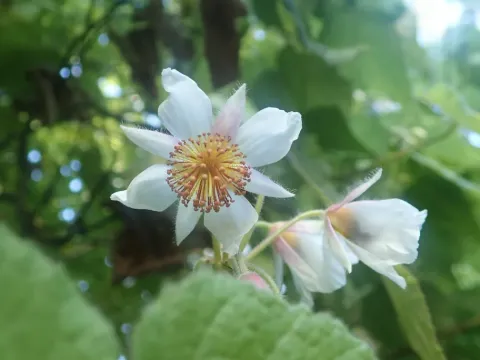
Sparrmannia
Sparrmannia
Sparrmannia africana, commonly known as the African linden, is a member of the Malvaceae family native to South Africa. It is an evergreen shrub characterized by its lush, large, heart-shaped leaves covered in fine hairs, making it a distinct ornamental plant.
What the section contains

Sparrmannia
The plant thrives in temperate climates and is widely cultivated in greenhouses and conservatories. It requires bright, indirect light to maintain its vibrant green foliage; excessive direct sunlight may result in leaf scorch, particularly during the peak summer months.
Soil requirements for Sparrmannia are based on fertility and drainage. The plant prefers a rich, well-draining potting medium, typically a mixture of loam, peat, and coarse sand, which prevents root asphyxiation and promotes robust growth of the root system.
Regular irrigation is essential, especially during the active growth period. The substrate should be kept consistently moist but never waterlogged. High humidity levels are beneficial, as the plant is sensitive to the dry air conditions frequently found in heated indoor environments.
Pruning is an important aspect of its agrotechnics. By trimming the branches, gardeners can stimulate bushier growth and control the overall size of the shrub, ensuring it remains structurally sound and aesthetically pleasing throughout the year.
The most significant pest threatening Sparrmannia is the spider mite, which thrives in low-humidity environments. These mites feed on the underside of the leaves, causing discolouration and eventual leaf drop if the infestation is not managed promptly.
Mealybugs and scale insects also present a persistent threat to the plant's health. These pests feed on plant sap and can weaken the overall structure of the shrub, leaving it more susceptible to opportunistic secondary fungal infections and nutrient deficiencies.
Root rot, primarily caused by improper watering and poor drainage, remains the most prevalent disease. It is critical to ensure that the water drains freely from the container to maintain the health of the root system and prevent decay of the stem base.
Preventative measures include regular visual inspection of the foliage and stems. Maintaining proper air circulation around the canopy helps to mitigate the risk of fungal pathogens and discourages the establishment of common greenhouse pests.
In cases of severe infestation, chemical interventions using specific acaricides or systemic insecticides are required. Always follow manufacturer guidelines to avoid phytotoxicity, especially when treating the delicate, pubescent leaves of this specific species.