
Sterculia monosperma
Sterculia monosperma
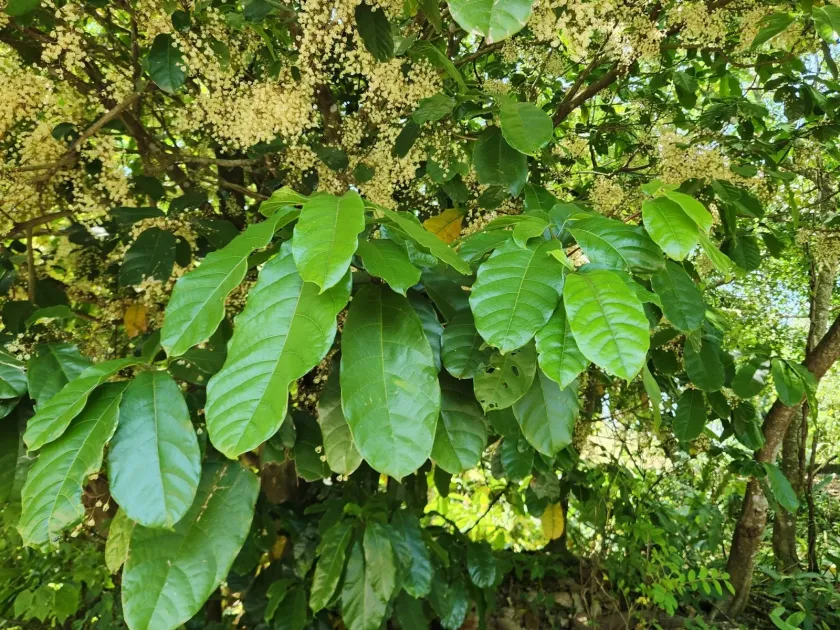
Description
Sowing dates
Sterculia monosperma is propagated primarily from seeds, which should be sown as fresh as possible due to their short viability period. The ideal time for sowing is at the beginning of the rainy season, ensuring adequate soil moisture for germination.
Before sowing, seeds are soaked in warm water for 12 to 24 hours to improve the success rate. The seeds should be planted in a well-draining, loose potting medium at a depth of 3 to 5 centimeters.
Temperature control is vital; maintaining a range of +25°C to +28°C significantly speeds up the emergence of seedlings. Germination typically occurs within two to four weeks under optimal conditions.
Seedlings require partial shade during the first few months to prevent dehydration and sun damage. Regular watering is necessary, but the soil should never become waterlogged to avoid root rot.
When the plants reach a height of about 30-40 centimeters, they are ready for transplanting into larger containers or their final site in the field, ensuring proper spacing for future canopy development.
Growing requirements
This species is native to tropical environments and requires a warm, frost-free climate throughout the year. It thrives in regions with average temperatures ranging from +22°C to +30°C.
The tree prefers deep, fertile, and well-drained soils with a slightly acidic to neutral pH. Providing a good drainage system is crucial as the species cannot tolerate stagnant water.
Sterculia monosperma is a sun-loving plant that performs best in full sunlight once established. However, young trees benefit from light shading during the hottest parts of the day.
Consistent rainfall or an efficient irrigation system is required for healthy growth and fruit production. In arid climates, mulching around the tree base helps retain soil moisture and stabilize soil temperatures.
Organic fertilization, including the application of high-quality compost or manure, should be performed annually in the spring. This practice ensures that the tree receives essential nutrients for vegetative growth.
Yield
Sterculia monosperma is valued for its nutritious, chestnut-like seeds. An orchard typically begins producing a harvestable yield approximately 5 to 7 years after initial planting.
Mature trees can produce between 15 and 30 kilograms of seeds per year, depending on the environmental conditions and the quality of tree management. Regular maintenance of the tree structure is key to sustained production.
The fruits consist of bright red pods that split open upon maturity. Harvesting must be timed precisely to capture the seeds at their peak, just as the pods open, preventing them from falling and becoming contaminated.
The seeds are a significant food source in their native range, valued for their starch and protein content. They are processed through cooking, roasting, or boiling for culinary applications.
Post-harvest value-adding processes include careful cleaning and solar drying, which allows for extended shelf life and potential distribution to wider markets.
Main diseases and pests
Root rot and other fungal diseases are the primary threats, especially in heavy or poorly drained soils. Symptoms include yellowing leaves and slow decline, which often appear during the wet season.
Insect pests such as scale insects and aphids can infest the young stems and foliage, reducing the plant's vigor. Biological control methods are recommended to maintain ecological balance in the orchard.
Boring insects can damage the branches and the trunk, creating entry points for secondary infections. Routine inspections are necessary to identify and prune damaged limbs before infestation spreads.
Nematodes are a significant underground threat that can stunted the development of young seedlings. Using soil amendments and crop rotation helps to minimize these populations in nursery areas.
Strong winds and typhoons can pose a physical danger to the tree structure, especially to the branches carrying the weight of the fruit pods. Planting windbreaks can protect the crop from wind damage.
Harvesting
Harvesting is a manual process that relies on identifying the exact stage of pod maturity. Workers monitor the trees for color changes in the pods, specifically the transition to deep red.
As the pods start to dehisce, they must be picked immediately to prevent the loss of the high-value seeds. Precision in harvesting minimizes injury to the tree and the next season's fruit buds.
Once gathered, the seeds are extracted from the pods and cleaned of any remaining fruit tissue. They are then thoroughly rinsed in water to remove sticky residues.
Drying is a critical phase where seeds are placed on racks in the sun or in controlled dryers until the moisture content drops to a safe level. Proper drying prevents mold and fermentation during storage.
For storage, the seeds should be kept in cool, dry, and well-ventilated conditions. Properly dried seeds can remain edible for several months, making them a shelf-stable agricultural product.