
Heart-leaved Sterculia
Sterculia cordata
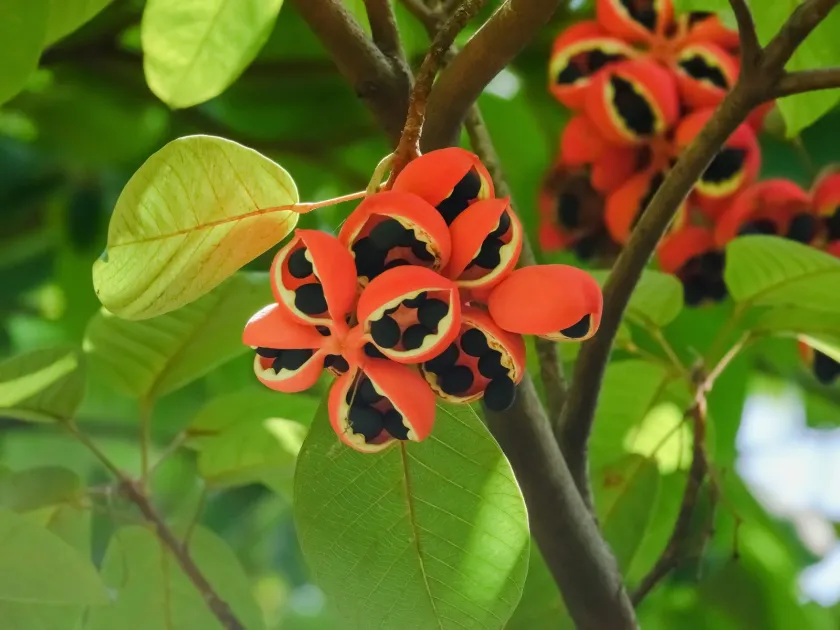
Description
Growing requirements
The Heart-leaved Sterculia (Sterculia cordata) is a member of the Malvaceae family. This tropical tree species is native to humid forest regions, typically found in environments with high rainfall and consistent year-round temperatures, which are essential for its physiological functions.
Cultivation requirements involve well-drained, nutrient-rich soil. The species thrives in deep loam soils that prevent waterlogging while maintaining adequate moisture retention. Soil pH should ideally be slightly acidic to neutral to ensure optimal nutrient uptake for healthy growth.
Climatic needs are strictly tropical. The tree requires a warm environment where temperatures stay above 15 degrees Celsius at all times. Protection from cold winds and frost is mandatory, as the broad leaves are susceptible to necrosis under thermal stress.
Sunlight exposure is crucial for photosynthesis, particularly in the canopy stage. While young trees benefit from partial shade to mimic the forest floor, mature individuals require full exposure to reach their maximum size and reproductive potential.
Basic agronomic practices include regular weeding and the application of balanced organic fertilizers. Because the tree has a spreading root system, cultivation of intercrops should be managed to avoid nutrient competition during the tree's formative years.
Main diseases and pests
Common threats to Sterculia cordata include various fungal pathogens that thrive in high humidity. Leaf spot diseases are particularly prevalent, necessitating effective spacing between trees to improve airflow and reduce fungal spore accumulation.
Pest pressures often involve wood-boring insects which can compromise the structural integrity of the trunk. Regular monitoring is necessary to identify early infestation signs before significant damage occurs to the vascular system of the tree.
In addition to pests, nutrient deficiencies, particularly in microelements like magnesium or iron, can cause chlorosis in the large heart-shaped leaves. Soil testing and targeted fertilization are essential components of a robust plant protection program.
Root rot caused by stagnant water is a major risk in heavy clay soils. Implementing a precise irrigation schedule and ensuring high-quality drainage systems is the most effective preventative measure against soil-borne pathogens.
Biosecurity measures should be observed when introducing new planting material to avoid the spread of local tropical diseases that could jeopardize the entire plantation's health and productivity.
Harvesting
The economic value of this species is primarily centered on its timber. The wood is lightweight, durable, and versatile, making it suitable for furniture manufacturing and interior woodwork where high strength-to-weight ratios are required.
Harvesting for timber is a long-term process that requires careful management of the plantation cycle. Trees are selected for harvest based on their diameter at breast height and overall trunk quality, ensuring a sustainable rotation age.
Seed harvesting is conducted primarily for propagation purposes. Collectors must identify the optimal timing when the follicles begin to dehisce naturally, ensuring the seeds are fully mature and viable for future nurseries.
Processing involves immediate cleaning of the harvested material. In the case of seeds, proper drying in ventilated areas is critical to maintain seed longevity and prevent fungal growth during storage prior to sowing.
Efficient harvesting techniques involve minimal physical damage to the surrounding vegetation, particularly in agroforestry systems where Sterculia cordata may be grown alongside other shade-tolerant cash crops.