
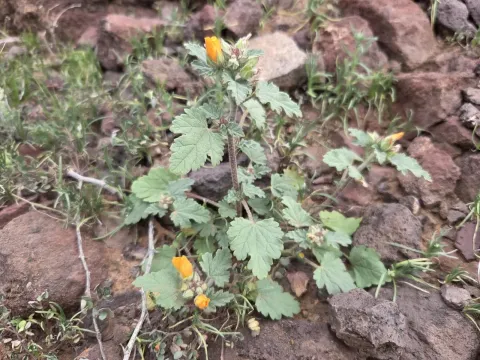
Sphaeralcea
Sphaeralcea A. St.-Hil.
Sowing Sphaeralcea is generally carried out in spring when the soil warms up to 15-18 degrees Celsius. For early flowering, greenhouse propagation is possible, starting the seeds in late winter or early spring.
What the section contains

Sphaeralcea
The seeds have a hard seed coat, so scarification or soaking in growth stimulants is recommended to improve germination rates. Seeds should be sown at a depth of 1-2 centimeters in open ground.
When sowing directly, spacing between plants should be 40 to 60 centimeters to ensure proper air circulation. As a member of the Malvaceae family, Sphaeralcea requires significant sunlight for healthy development.
Transplanting seedlings to their permanent location should be planned only after the risk of late spring frosts has passed. The plant develops a deep taproot, so transplanting must be done with extreme care.
It is essential to choose sites without stagnant meltwater, as excessive soil moisture during the initial growth phase can lead to collar rot.
Sphaeralcea is a plant perfectly adapted to arid climate conditions. Its natural range originates in dry regions of the Americas, which results in high heat tolerance.
Successful cultivation requires well-drained sandy or sandy-loam soils with a neutral or slightly alkaline pH. Waterlogging is a critical issue that leads to root rot diseases.
The plant is highly heliophilic and requires open, sunny locations throughout the entire growing season. Shade negatively affects stem development, making them weak and prone to lodging.
Sphaeralcea grows well on poor soils, so fertilizer application should be moderate. Excess nitrogen leads to excessive vegetative growth at the expense of floral production.
In cold climate regions, it is important to select winter-hardy species or provide mulch cover to protect the roots during the dormant winter period.
The economic use of Sphaeralcea is primarily focused on landscaping and the restoration of degraded ecosystems. It is a valuable nectar source, attracting many pollinators to the field.
When grown for seed production, yield depends on pollination conditions and weather factors. Harvesting is conducted after the seed pods turn brown to prevent natural seed dispersal.
The plant has potential for phytoremediation of degraded lands due to its ability to stabilize soil on slopes and erosion-prone areas.
As a low-maintenance crop, Sphaeralcea is attractive for farmers in arid zones as it does not require intensive irrigation once established.
Vegetative biomass production varies depending on rainfall, but the culture demonstrates stable performance in steppe and semi-desert conditions.
The main threat to the culture is fungal diseases, which arise from excessive moisture in the soil or air. Root rot is the most dangerous issue for this crop.
Among pests, aphids and spider mites are the most common, especially during dry and hot weather. Regular inspection of the undersides of leaves helps detect pest colonies early.
Pest control is carried out using systemic insecticides or biological control agents, depending on the specific land management regulations.
High humidity promotes the development of powdery mildew, so copper or sulfur-based fungicides are used for protection.
Disease prevention consists of maintaining an optimal watering regime, ensuring proper spacing between plants, and timely removal of weeds and debris.
Harvesting Sphaeralcea as an ornamental crop is done during the peak of flowering if the plants are intended for dried bouquets or floral arrangements.
For seed production, harvesting is performed gradually as the seed pods mature, ideally just before they begin to split open.
Cut stems should be dried in well-ventilated, shaded rooms, avoiding direct exposure to ultraviolet light to preserve the color of the foliage and flowers.
After drying, seed cleaning and calibration are performed to ensure high-quality planting material for the next season.
Crop residues can be shredded and used as mulch or compost to enhance soil fertility after the growing season ends.