
Sterculia nobilis
Sterculia nobilis
Description
Sowing dates
Propagation of Sterculia nobilis is primarily performed through seeds collected from mature fruits. Due to the hard seed coat, pre-sowing treatments such as scarification or soaking in warm water are recommended to enhance germination rates.
Seeds should be planted in a well-draining, nutrient-rich potting medium. Maintaining high humidity is essential during the initial germination phase to ensure the delicate radicle emerges successfully.
Optimal temperatures for germination range between 25 and 28 degrees Celsius. Constant warmth is necessary, as fluctuations can significantly impede the development of the seedling.
Seedlings require partial shade during their early growth stages to prevent desiccation and leaf scorch. As the plants mature, they can be gradually acclimatized to full sun conditions before final transplanting.
Proper spacing is crucial when planting in the field to allow for the canopy to spread without excessive crowding. This practice prevents competition for light and water among mature trees.
Growing requirements
Sterculia nobilis, a member of the Malvaceae family, is a tropical plant that thrives in warm, humid climates. It is highly sensitive to frost and cold weather, which limits its commercial cultivation to frost-free regions.
The crop prefers deep, fertile, and well-drained soils. While it can adapt to various soil types, waterlogging is detrimental, often leading to root decay and overall poor plant vigor.
Full sun exposure is preferred for maximum productivity. While young trees tolerate some shade, mature trees require significant solar radiation to support the energy-intensive process of fruit production.
Regular irrigation is needed during dry seasons to maintain plant health. However, once established, the tree demonstrates moderate drought tolerance due to its deep taproot system.
Wind protection is an important consideration for plantation design. Strong winds can cause physical damage to the brittle branches and result in significant fruit loss before maturity.
Yield
The economic value of Sterculia nobilis lies primarily in its seeds, which are consumed as a popular food product in many tropical regions. The seeds have a nutty flavor and are often roasted or boiled.
Productivity typically begins to reach commercial levels 5 to 7 years after planting. The tree is capable of yielding substantial harvests annually under proper management and nutrient supply.
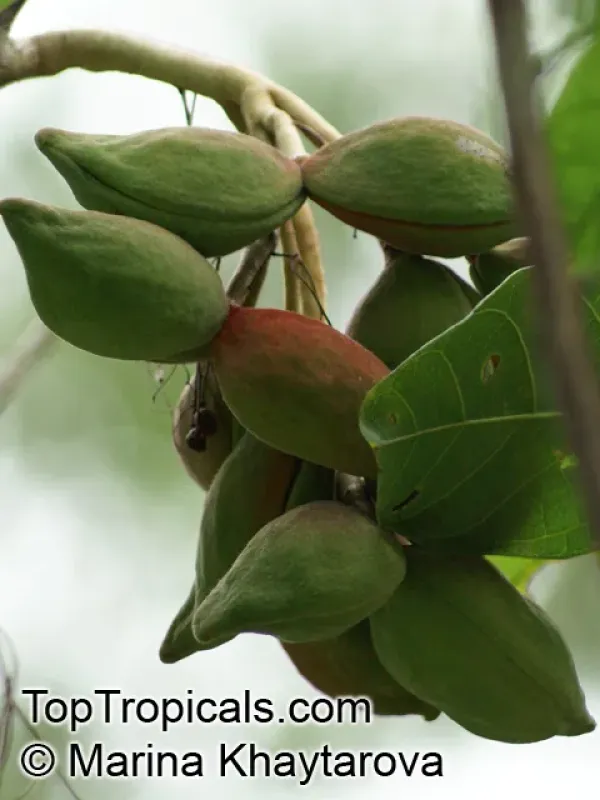
The fruit, a large follicle, contains multiple seeds. The harvest potential is maximized through regular pruning, which promotes the growth of secondary branches where flowering occurs.
In addition to its culinary uses, the plant has ornamental value in tropical landscape design. Its broad leaves and unique fruit structure make it an attractive tree for both agricultural and recreational areas.
Yield consistency depends on pollinator activity and climate stability. Providing a balanced fertilizer regimen during the flowering phase can significantly improve fruit set and quality.
Main diseases and pests
Fungal pathogens represent the most common threat to Sterculia nobilis, particularly in high-humidity environments. These pathogens can affect both the leaves and the fruits, reducing the overall market value of the produce.
Pests such as aphids, mealybugs, and scale insects frequently infest the foliage and young twigs. Their feeding behavior stunts plant growth and facilitates the development of sooty mold.
Effective pest management involves integrated control methods, including biological agents and timely pruning to improve air circulation within the tree canopy.
Root rot is a critical disease caused by poor soil drainage. Prevention is the only effective strategy, as chemical treatments are often ineffective once the root system is severely compromised.
Regular field monitoring is essential for early detection of problems. Prompt intervention at the first sign of foliage discoloration or abnormal growth is vital to protect the entire plantation.
Harvesting
Harvesting is timed based on the visual appearance of the follicles, which change color as they approach maturity. Careful observation is required to ensure seeds are fully developed but not over-ripe.
Hand-harvesting is the standard practice, as it minimizes mechanical damage to the tree. Pickers use ladders or poles to reach the upper canopy, taking care not to break fruit-bearing wood.
Once harvested, the follicles are opened to extract the seeds. Post-harvest processing involves cleaning the seeds of any remaining fruit debris to reduce the risk of storage rot.
Seeds must be dried under controlled conditions before being packed for storage or transport. Proper moisture content is critical to prevent the growth of storage molds and maintain shelf life.
Quality control during harvest ensures that only mature and undamaged seeds reach the market. Consistent grading based on seed size and appearance enhances the commercial appeal of the crop.