
Sterculia quinqueloba
Sterculia quinqueloba
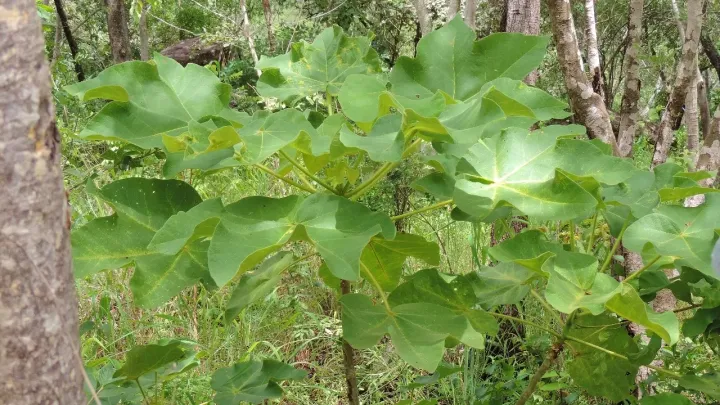
Description
Growing requirements
Sterculia quinqueloba is a tropical tree species belonging to the Malvaceae family. Native to the African tropical forests, this species is known for its ecological role in sustaining the biomass of dense woodland environments.
Botanically, the tree is characterized by its distinct five-lobed leaves and robust growth habit. It develops a thick canopy that provides significant shade and contributes to the regulation of the local forest microclimate.
Successful cultivation requires fertile, well-draining soils. While the species is accustomed to high humidity, it is intolerant of waterlogged soil conditions, which can lead to severe physiological stress and root system degradation.
The climate requirement for this crop involves stable tropical temperatures with sufficient annual rainfall. In agricultural settings, ensuring a consistent water supply during the establishment phase is essential for optimal growth and trunk development.
Economically, the species is primarily valued for its timber, which is utilized in various woodcraft industries. Additionally, research into its non-timber forest products, such as bark fibers, highlights the potential for sustainable harvesting practices.
Main diseases and pests
The primary threats to Sterculia quinqueloba include soil-borne fungal pathogens that thrive in overly wet conditions. Implementing proper drainage and aeration techniques is the most effective strategy for preventing the onset of rot.
Stem-boring insects and leaf-feeding pests pose significant risks to both young saplings and mature trees. Integrated pest management, focusing on biological controls and manual monitoring, is recommended to minimize chemical input.
Mechanical injuries to the trunk must be strictly avoided to prevent the entry of decay-causing microorganisms. Any necessary pruning should be performed with sanitized tools followed by the application of protective sealing agents.
Environmental stressors, such as prolonged drought periods, can significantly reduce the vitality of the trees. Irrigation management during dry spells is critical for maintaining tree health and improving resistance to opportunistic pests.
Maintaining high genetic diversity within plantations is a key strategy for enhancing resilience against endemic diseases. Regular inspection and the removal of heavily infected specimens prevent the spread of pathogens across the plantation area.