
Spirotheca
Spirotheca
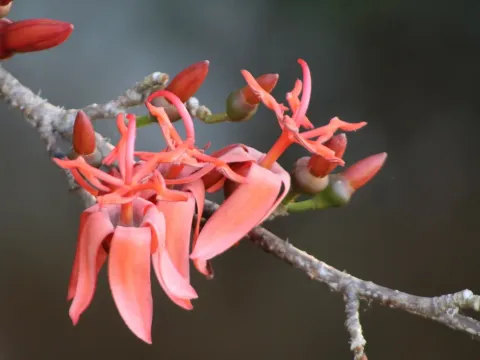
Spirotheca is a genus of flowering plants in the family Malvaceae. Native to the tropical regions of South America, these plants are known for their striking aesthetic presence and distinct botanical structure typical of the Bombacoideae subfamily.
What the section contains

Spirotheca
Cultivation of Spirotheca requires a tropical climate with high humidity and consistent warmth. In non-tropical regions, it is primarily kept as a specimen in conservatories or botanical gardens where climate control is maintained.
The ideal growing medium for this species is a well-draining, nutrient-rich potting mix. Proper aeration is critical, and the incorporation of coarse sand or pumice into the substrate helps prevent root suffocation.
Light requirements are high, favoring bright, filtered light. During the peak of the growing season, plants should be protected from intense mid-day sun to prevent leaf scorching while ensuring sufficient light for photosynthesis.
Watering management is key to successful development. The soil should remain consistently moist but never waterlogged. Seasonal adjustments should be made, reducing frequency during the winter dormancy period.
Spider mites represent a major threat, particularly in environments with low air humidity. They thrive on the underside of leaves and can cause rapid decline if not managed through increased humidity or acaricides.
Root rot, often caused by overwatering or poor drainage, remains the most frequent pathology for this genus. It is essential to ensure that containers have proper drainage holes and that water is not trapped in the tray.
Scale insects and mealybugs can occasionally infest the stems and leaf axils. Mechanical removal or horticultural soaps are often effective in controlling initial outbreaks before they spread throughout the canopy.
Fungal leaf spots can manifest under conditions of poor ventilation. Providing adequate air circulation around the crown of the tree is a standard preventive measure against these pathogens.
Nutrient imbalances, particularly nitrogen deficiency, manifest as chlorosis on older leaves. A balanced liquid fertilizer applied during the active growth phase is recommended to maintain plant vigor.