
Sterculia rogersii
Sterculia rogersii
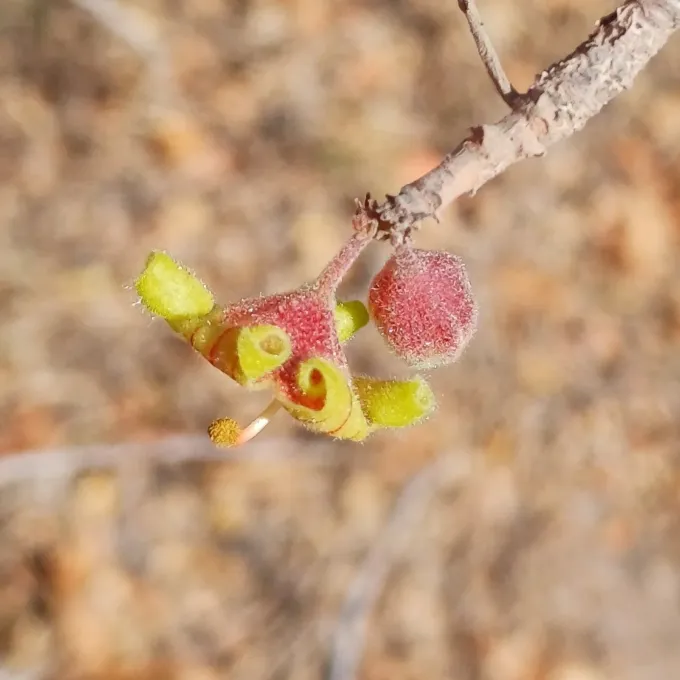
Description
Growing requirements
Sterculia rogersii is a fascinating succulent tree belonging to the Malvaceae family, native to the arid landscapes of Southern Africa. It is highly adapted to drought-prone environments, utilizing its specialized trunk to store essential water reserves during extended periods of heat.
The botanical structure of this species features a unique bottle-shaped trunk with smooth bark, which often sheds periodically. As a deciduous plant, it enters a state of dormancy during the dry season, dropping its leaves to conserve moisture and ensure survival in its natural habitat.
Cultivation requires strict attention to soil composition, as the plant demands exceptional drainage to prevent root rot. A gritty, mineral-heavy substrate is ideal, ensuring that water passes through quickly, which mimics the rocky soils found in its native African range.
Regarding climate, Sterculia rogersii thrives under high light intensity and requires warmth to complete its active growing phase. Providing a sunny, well-ventilated space is essential for healthy development and for maintaining the integrity of its characteristic succulent stem.
In modern agricultural and ornamental contexts, this tree is valued primarily for its drought tolerance and aesthetic appeal in xeriscaping. It serves as an excellent specimen for botanic collections, provided the grower maintains the necessary dry dormancy during the cooler months.
Main diseases and pests
The primary threats to Sterculia rogersii involve fungal infections induced by overwatering and poor aeration of the growing medium. High humidity levels without proper airflow significantly increase the risk of decay in the roots and the base of the trunk.
Common pests that infest this species include mealybugs and scale insects, which can shelter within the bark's crevices. Regular monitoring is vital, especially when the plant is kept in greenhouse conditions where natural pest control mechanisms are often absent.
Root-knot nematodes can cause significant damage to the plant's underground structures if the growing media is contaminated. Implementing sterilization protocols for soil components is a standard preventative measure in professional plant management.
Preventative maintenance focuses on keeping the foliage and bark clean and dry, as standing water can encourage opportunistic bacterial and fungal growth. Should infections occur, surgical removal of the affected tissues is recommended over broad chemical application.
When selecting chemical treatments for pest outbreaks, it is crucial to test them on a small area of the stem to ensure no phytotoxic reaction occurs. Balanced moisture management remains the most effective tool in preventing most physiological disorders of this species.