
Sterculia megistophylla
Sterculia megistophylla
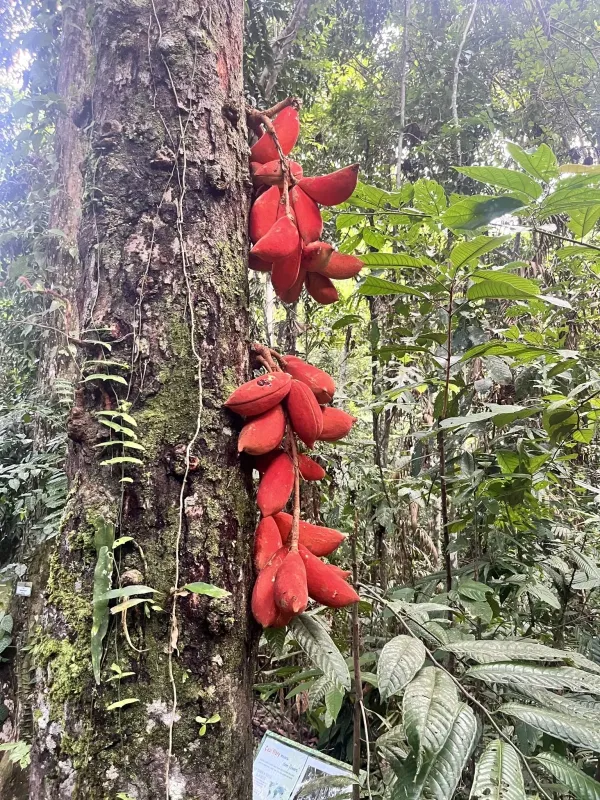
Description
Growing requirements
Sterculia megistophylla is a significant botanical species belonging to the Malvaceae family. This tree is native to tropical ecosystems and is highly regarded for its biological resilience in its natural habitat.
Successful cultivation requires deep, well-draining soils with rich organic content. The plant thrives in environments that provide consistent moisture, although it cannot withstand waterlogged soil conditions which promote root rot.
Tropical climates with year-round high temperatures and humidity are ideal for this species. It does not possess significant cold hardiness and must be protected from any temperatures approaching freezing, which could cause structural damage.
Agronomic management includes maintaining a balance of essential soil nutrients. Fertilizer applications should be focused on supporting steady growth rates, particularly during the rainy season when nutrient uptake is at its maximum.
Young plants are particularly sensitive to high solar radiation and wind. Providing shelter and appropriate spacing during the initial growth years is essential for developing a strong, upright trunk and uniform canopy structure.
Harvesting
The primary economic value of Sterculia megistophylla lies in its wood production and fibrous resources. The wood is prized for its texture and moderate density, making it suitable for various carpentry and manufacturing applications.
Harvesting fruits requires careful timing to ensure maximum seed quality. Seeds should be collected only after full physiological maturity, followed by immediate cleaning to remove outer debris and minimize fungal contamination.
Bark harvesting is another traditional use, as it serves as a source of natural fiber. The process involves sustainable stripping methods that allow the tree to recover over time, ensuring long-term forest productivity.
Industrial processing involves standardized drying techniques. By managing the drying process, producers can prevent wood warping and improve the overall durability of the final material used in production.
Sustainable agricultural practices dictate that harvesting should be done on a rotational basis. This ensures that the population of Sterculia remains stable while meeting the demand for forest products in tropical regions.