
Sterculia tragacantha
Sterculia tragacantha
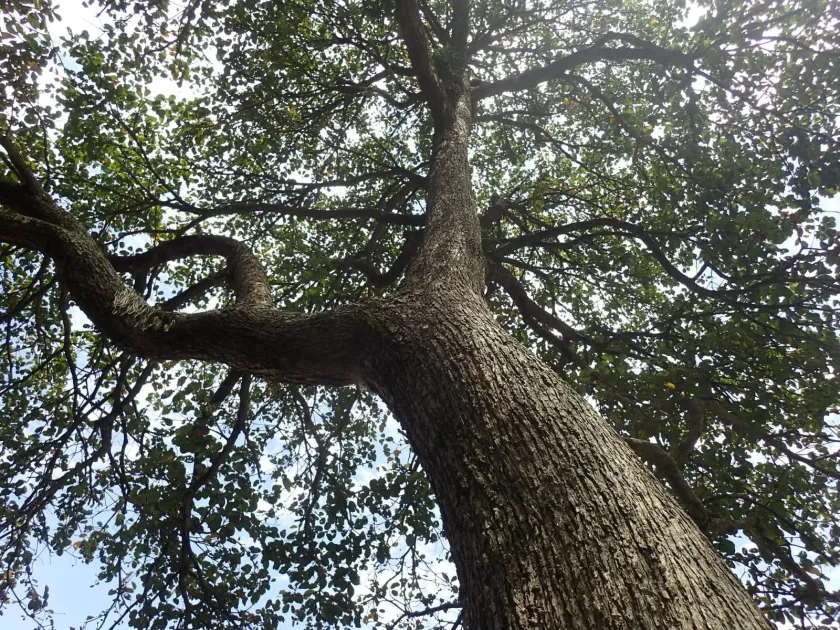
Description
Growing requirements
Sterculia tragacantha is a member of the Malvaceae family, native to the tropical forests of West and Central Africa. This species thrives in humid tropical climates characterized by high temperatures and significant annual precipitation levels.
The plant requires fertile, well-drained soil to support its rapid growth habit. Waterlogged conditions are detrimental to root development, making site selection critical for successful establishment in an agricultural or agroforestry setting.
Cultivation practices involve providing adequate space for individual trees to develop full canopies, which is essential for healthy physiological function. Initial care during the seedling stage is vital to ensure survival and uniform growth across the plantation.
The species demonstrates good adaptability to secondary forest environments. It can be successfully integrated into multi-cropping systems, providing both environmental benefits and raw material for industrial processing.
From an agricultural standpoint, the tree acts as a source of gum, a substance highly valued for its binding, thickening, and stabilizing properties in various commercial applications.
Harvesting
Harvesting the gum involves making careful incisions in the bark of mature trees, which triggers the release of the resinous exudate. This traditional method requires skill to ensure the long-term productivity and health of the tree.
Once the exudate is exposed to the air, it hardens into lumps or flakes, which are then collected by trained workers. This natural process yields a high-quality product that is highly sought after by global markets.
Sustainable harvesting protocols must be strictly followed to prevent over-tapping, which could weaken the tree. Periodic resting periods allow the plant to replenish its energy reserves and heal the bark surface.
Post-harvest handling focuses on sorting the gum by quality and removing any physical impurities. Cleanliness during this stage is paramount to meeting international standards for industrial and food-grade raw materials.
Finally, the sorted product is packaged in moisture-proof containers to preserve its structural integrity during transport and long-term storage in warehouse facilities.