
Sterculia ceramica
Sterculia ceramica
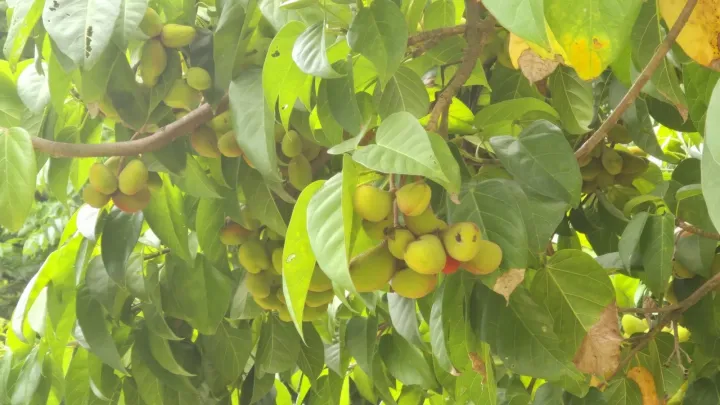
Description
Growing requirements
Sterculia ceramica is a distinctive species belonging to the Malvaceae family. It is native to the tropical forests of the Moluccas and surrounding regions in Southeast Asia, where it thrives in humid and warm environments.
The tree requires a consistent tropical climate with high temperatures year-round. It is sensitive to frost and cold snaps, making it unsuitable for cultivation in temperate zones without controlled greenhouse conditions.
Soil requirements focus on high organic content and excellent drainage. While the species is adapted to tropical rainfall, it does not tolerate waterlogged soil, which can lead to rapid root decay and decline in tree vigor.
Agricultural management involves careful spacing during plantation establishment to ensure adequate canopy development and wind protection for the young saplings.
The primary economic value of this crop lies in its timber, which is appreciated for its workability, as well as the potential harvest of natural gums secreted by the tree, used in various industrial applications.
Main diseases and pests
Pathogenic fungi represent a significant threat to Sterculia ceramica, especially in regions with high humidity where air circulation within the plantation is restricted.
Stem-boring insects and beetles are major pests that target the bark and inner wood of the trees, leading to structural weakness and vulnerability to secondary infections.
Effective pest management relies on preventive measures, such as maintaining healthy tree density and conducting regular inspections to detect early signs of borer holes or leaf discoloration.
During the rainy season, the risk of leaf blight and fungal infections increases significantly, necessitating diligent monitoring of the plantation floor to remove debris.
Sustainable cultivation practices emphasize biodiversity within the plantation, which naturally helps in suppressing pest populations by providing habitats for beneficial insect predators.