
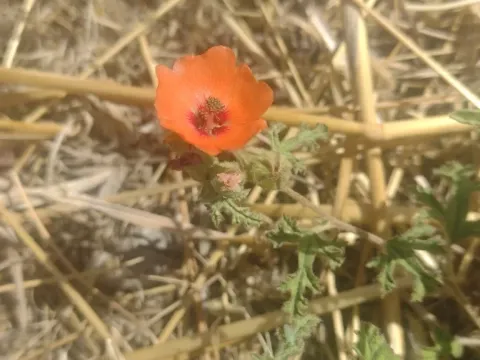
Sphaeralcea
Sphaeralcea
Sphaeralcea seeds are best sown in late winter or early spring. For direct sowing, wait until all risks of frost have passed and the soil has warmed up, usually around mid-spring, to ensure successful germination.
What the section contains
 Emory's globemallow
Sphaeralcea emoryi
Emory's globemallow
Sphaeralcea emoryi
 Fendler's globemallow
Sphaeralcea fendleri
Fendler's globemallow
Sphaeralcea fendleri
 Scarlet globemallow
Sphaeralcea coccinea
Scarlet globemallow
Sphaeralcea coccinea
 Sphaeralcea angustifolia
Sphaeralcea angustifolia
Sphaeralcea angustifolia
 Sphaeralcea bonariensis
Sphaeralcea bonariensis
Sphaeralcea bonariensis
 Sphaeralcea hybrids
Sphaeralcea hybrids
Sphaeralcea hybrids
 Sphaeralcea incana
Sphaeralcea incana
Sphaeralcea incana
 Sphaeralcea orcuttii
Sphaeralcea orcuttii
Sphaeralcea orcuttii
 Sphaeralcea parvifolia
Sphaeralcea parvifolia
Sphaeralcea parvifolia
 Sphaeralcea pedatifida
Sphaeralcea pedatifida
Sphaeralcea pedatifida
 Sphaeralcea polychroma
Sphaeralcea polychroma
Sphaeralcea polychroma
 Sphaeralcea procera
Sphaeralcea procera
Sphaeralcea procera
Sphaeralcea
When starting indoors, use small pots filled with a well-draining seed-starting mix. Maintain a temperature around 20 degrees Celsius, and ensure that the seeds receive sufficient ambient light to initiate the germination process effectively.
Cover the seeds with a very fine layer of soil, no more than 0.5 cm deep. They require light to sprout, so burying them too deep will inhibit their growth. Keep the surface moist but not waterlogged during the germination phase.
Seedlings should be thinned or transplanted once they develop at least two sets of true leaves. When transplanting, be extremely careful with the root ball; Sphaeralcea is known to have a delicate taproot system that dislikes disturbance.
Space the plants at least 40 centimeters apart to allow for proper airflow once they reach maturity. Adequate spacing prevents the foliage from staying damp, which is critical for the overall health of these drought-adapted plants.
Sphaeralcea belongs to the Malvaceae family and is native to arid and semi-arid regions of the Americas. This evolutionary background makes the plant exceptionally well-suited for xeriscaping and low-water garden projects.
Full sun is non-negotiable for this genus. To achieve a compact habit and abundant flowering, these plants require at least six to eight hours of direct sunlight daily. In shaded conditions, the stems become weak and prone to falling over.
The soil must be exceptionally well-draining. Sandy, gravelly, or rocky soil compositions are ideal. Heavy clay soils often cause root rot during the dormant winter months, which is the most common reason for plant failure in temperate climates.
Nutritional needs are minimal. Avoid heavy applications of manure or high-nitrogen fertilizers, which promote excessive vegetative growth that can make the plant more susceptible to diseases and reduce the quality of the blooms.
These plants are highly tolerant of heat and wind. However, they need protection from excessive winter moisture. In regions with high rainfall, ensuring a slope for water runoff and adding grit to the soil is essential for long-term survival.
Root rot remains the primary threat to the longevity of Sphaeralcea. This condition is almost exclusively linked to poor drainage or overwatering. Once rot symptoms appear, it is often too late to save the individual specimen.
Spider mites are the most frequent insect pest, particularly during hot, dry summer months. These microscopic pests feed on cell sap, leading to stunted growth, mottled leaves, and a general decline in the plant's aesthetic appeal.
Aphids may occasionally infest the developing flower buds. While rarely fatal, they can cause malformed flowers. Regular inspection and the use of gentle insecticidal soaps are usually sufficient to manage minor infestations without harming beneficial insects.
Powdery mildew can occur if the humidity levels around the foliage remain too high for extended periods. This is often a sign that the plants are crowded or that the site lacks adequate air movement throughout the day.
The best defense strategy is to maintain a dry mulch around the base of the plant, such as pea gravel or stone chippings. This keeps the crown of the plant dry and prevents direct contact between the leaves and moist soil.