
Sterculia rubiginosa
Sterculia rubiginosa
Description
Growing requirements
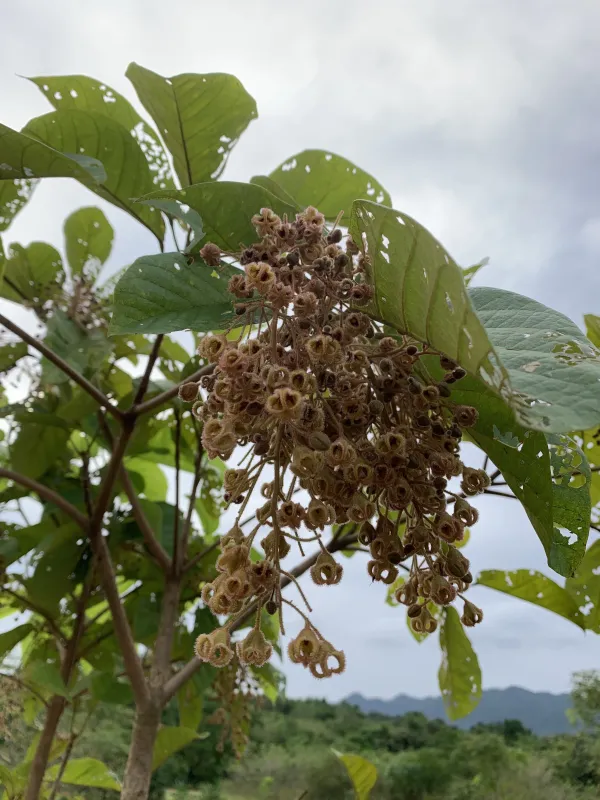
Sterculia rubiginosa is an evergreen tree belonging to the Malvaceae family, native to the tropical rainforests of Southeast Asia. It is scientifically distinguished by the dense, rust-colored hairs covering its young shoots and the undersides of its foliage, which serves as a protective adaptation in its native humid environment.
The species thrives in warm tropical climates where the temperature remains consistent throughout the year. It does not possess any frost tolerance, making its cultivation geographically restricted to tropical and subtropical zones where thermal conditions meet its high physiological requirements for growth.
Soil quality is paramount for this species; it requires deep, fertile, and well-draining substrates to prevent root rot. While the tree appreciates high levels of humidity, it strictly avoids waterlogged conditions, making careful site selection and drainage management critical steps for any commercial or landscape plantation.
Cultivation practices involve regular monitoring of light levels, as the species tends to be shade-tolerant in its juvenile stage while requiring full or partial sun exposure once established to support flowering and fruit production. Maintaining soil structure through mulching and periodic organic fertilization is recommended for optimal plant health.
The economic and agricultural utility of Sterculia rubiginosa lies primarily in reforestation projects and ornamental horticulture. Its wood is appreciated for local construction purposes, and the plant plays an essential role in maintaining biodiversity within its native ecosystem through its interaction with local fauna.
Main diseases and pests
The most common threats to the health of these trees include fungal leaf diseases, such as leaf spot and anthracnose, which thrive during extended periods of rainfall and stagnant air. Proper spacing between trees is essential to promote airflow and mitigate these pathological risks.
Insect pests include various species of aphids and scale insects that target the soft tissue of new shoots. Farmers manage these threats through preventative cultural practices, such as pruning damaged branches and encouraging the presence of natural predators, reducing the need for chemical intervention.