
Sterculia macrophylla
Sterculia macrophylla
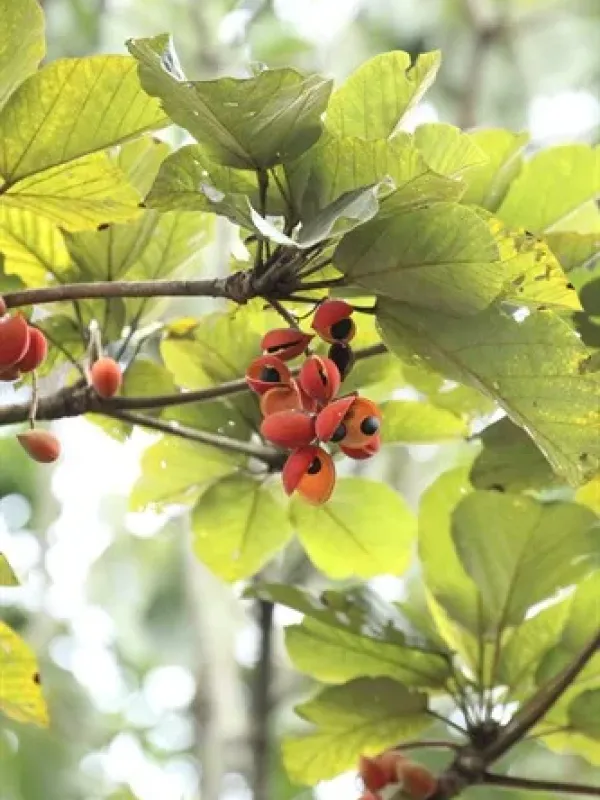
Description
Growing requirements
Sterculia macrophylla is a prominent member of the Malvaceae family, widely recognized for its large, broad leaves and rapid growth rate in tropical environments. As an indigenous species to humid forests, it has adapted to specific ecological niches that require careful management in an agricultural setting.
The cultivation of this species demands a tropical climate with consistent temperatures and high precipitation levels. It performs best in areas where humidity remains high throughout the year, as this mirrors its natural habitat and ensures optimal metabolic activity within the plant tissues.
Regarding soil requirements, Sterculia macrophylla thrives in deep, well-draining soils rich in organic matter. While it is a vigorous grower, it does not tolerate waterlogging; thus, ensuring proper soil aeration is vital for the health of the root system and overall longevity of the tree.
Agricultural practices for this crop include periodic soil enrichment to maintain fertility levels, especially during the initial growth phases. Management of young plantations often involves establishing adequate spacing to avoid competition for nutrients and sunlight, allowing each tree to develop a robust structure.
In terms of economic utilization, the species is highly valued for its timber, which is used for various construction purposes. Additionally, the tree is often integrated into agroforestry systems, where its canopy provides essential shade for other shade-loving agricultural crops and contributes to soil stabilization.
Main diseases and pests
Threats to Sterculia macrophylla primarily stem from wood-boring insects and foliage-eating pests common in tropical ecosystems. These pests can significantly reduce the vitality of the trees, especially if the infestation remains undetected during the early stages of development.
Fungal diseases represent another critical risk, particularly those that target the root system or bark when environmental conditions are suboptimal. High humidity, when combined with poor air circulation or stagnant water, creates an environment where pathogens can flourish unchecked.
Effective management strategies for these threats rely heavily on proactive monitoring and hygiene practices. Removing deadwood and clearing debris from around the base of the trees helps eliminate breeding sites for many pests and reduces the incidence of fungal spores.
Proper density management is essential for preventing the rapid spread of infections. Ensuring that the canopy is not too crowded allows for better light penetration and airflow, which naturally discourages the growth of many surface-level fungal pathogens.
While chemical interventions are sometimes necessary in extreme cases, the focus for this species is generally on biological control and preventative silviculture. Maintaining a balanced and healthy ecosystem within the plantation is the most sustainable way to protect the crop from major outbreaks.