
Sterculia parviflora
Sterculia parviflora
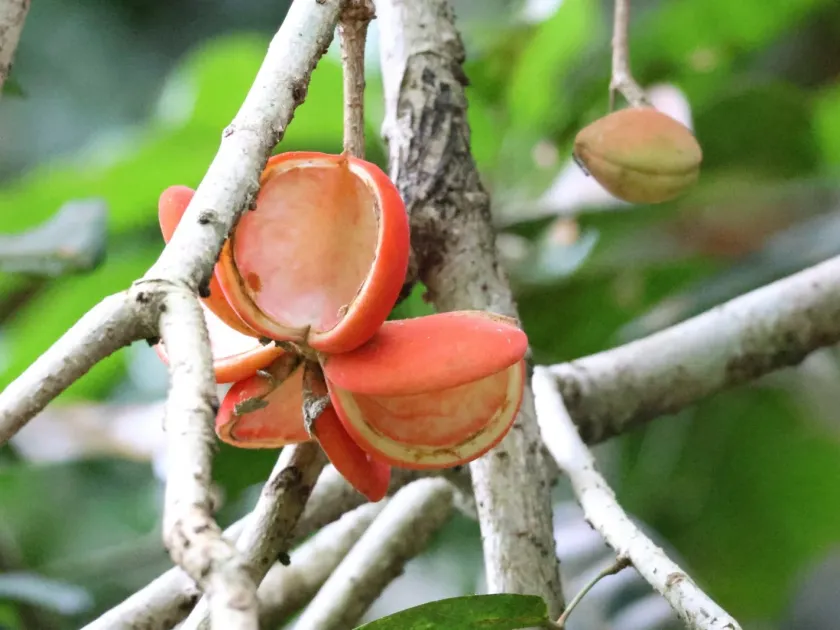
Description
Growing requirements
Sterculia parviflora is a significant species within the Malvaceae family, specifically classified under the Sterculioideae subfamily. This plant is a tropical tree species known for its role in biodiversity and its potential in sustainable forestry in its native regions.
The species is primarily native to the humid tropical forests of Southeast Asia, thriving in areas where precipitation is consistent throughout the year. It serves as a vital structural component in its ecosystem, supporting various forms of local wildlife.
Optimal growth conditions for Sterculia parviflora include deep, nutrient-rich soils with excellent internal drainage. The plant is highly sensitive to soil compaction, which can severely hinder root development and overall vitality of the tree structure.
Cultivation requires careful management of light exposure; while mature trees can withstand higher light intensity, saplings require partial shade to avoid transpiration stress. Consistent irrigation during the establishment phase is essential for long-term health.
The economic value of this tree is mainly derived from its timber, which is utilized for medium-density construction purposes and secondary wood processing. Its bark may also contain fibers that are traditionally used by local communities for cordage or matting.
Main diseases and pests
Common threats to the health of these trees include pathogens that thrive in high humidity environments, particularly those causing root rot or stem cankers. Maintaining a proper planting distance is crucial to ensuring adequate air circulation around the canopy.
Pest management focuses on monitoring for wood-boring beetles and leaf-chewing insects. Implementing integrated pest management strategies helps maintain the vigor of the plantations and ensures the quality of the harvested wood products.