
Chinese sterculia
Sterculia lanceolata
Description
Growing requirements
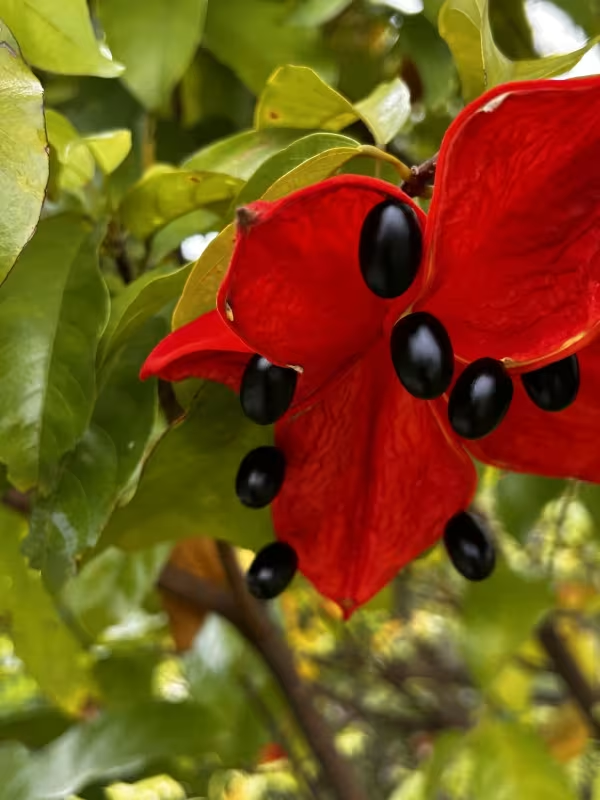
Chinese sterculia (Sterculia lanceolata) is a distinctive member of the Malvaceae family. It is recognized as a hardy, evergreen tree that naturally occurs in the tropical forests of Southern China and Southeast Asia, adapting well to various hilly environments.
The plant thrives in warm, humid climates with well-defined precipitation patterns. For successful cultivation, it requires nutrient-rich, loamy, or sandy soils that offer excellent drainage, as the species is highly sensitive to waterlogged conditions that can cause root decay.
In terms of light exposure, the tree performs best in full sunlight once established, although partial shade is beneficial during the initial seedling stage. Consistent soil moisture levels are crucial, especially during the peak growing season to ensure robust vegetative development.
Cultivation practices involve applying organic mulch around the base to retain soil moisture and regulate temperature. The tree is not cold-hardy, meaning it is restricted to frost-free regions, making it a staple of tropical botanical and agricultural landscapes.
The economic utility of the species is multifaceted. Its seeds are gathered for consumption in traditional diets, and the plant serves an ecological role in soil stabilization. Its wood and bark fibers have historically been utilized in local craft and textile production.
Main diseases and pests
Fungal diseases are the primary threat, particularly in regions with high humidity and poor air circulation. Implementing proper spacing between trees during planting is essential to allow for adequate airflow and reduce the prevalence of pathogens.
Pests such as aphids and leaf-eating beetles can compromise tree health during the early growth stages. Integrated pest management strategies, including the use of beneficial insects and regular monitoring, are recommended to maintain the vitality of the plantation.