
Sterculia villosa
Sterculia villosa
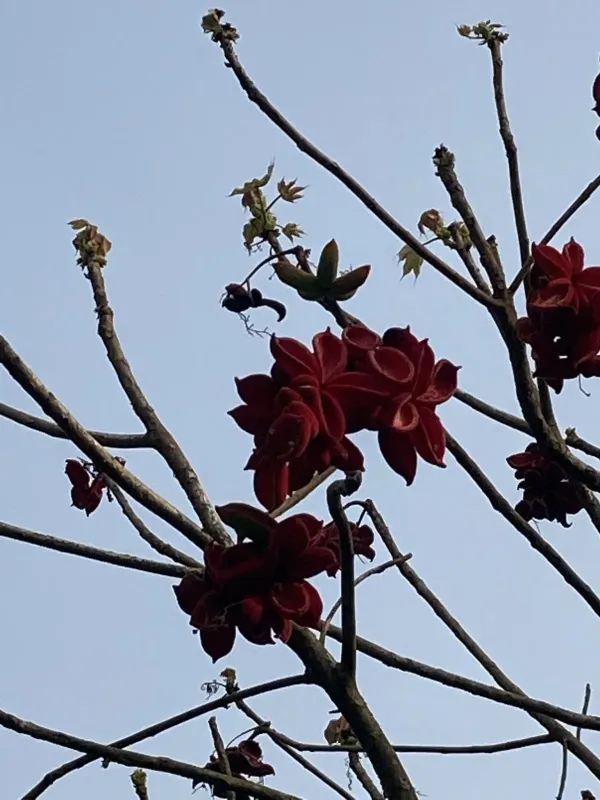
Description
Growing requirements
Sterculia villosa is a deciduous tree belonging to the Malvaceae family. It is native to the tropical forests of South and Southeast Asia, growing naturally in regions such as India, Nepal, and Myanmar.
This species thrives in a tropical climate characterized by distinct wet and dry seasons. It prefers deep, well-drained loamy soils but displays a high degree of adaptability to various environmental conditions.
Cultivation requires abundant sunlight for maximum biomass production, although young saplings tolerate light shade. Maintaining an open canopy structure is essential for the healthy development of adult trees.
Agronomic management involves regular weed control and the application of organic mulch to retain soil moisture during peak temperatures. Proper spacing is necessary to ensure adequate ventilation and nutrient access.
The tree is noted for its fast-growing habit, making it an excellent candidate for managed forestry and fiber production. It is relatively resilient to environmental stressors within its native geographical range.
Harvesting
The primary economic product of Sterculia villosa is its high-quality bast fiber, extracted from the inner bark of the tree. The harvesting process involves carefully peeling strips of bark from the trunks.
Once harvested, the bark is soaked in water to soften and separate the fibers. These long, durable fibers are then cleaned, dried, and processed into strong ropes, cables, and various types of woven textiles.
Another significant resource derived from this tree is plant gum, which is collected by making shallow incisions in the bark. This gum is commercially valuable and is used as a natural thickening agent.
The wood of the tree is relatively light and soft, which limits its structural use but makes it suitable for crafting crates, matches, and low-grade pulp. It is a multipurpose resource for local industries.
Sustainable harvesting practices are crucial to the longevity of the trees. By employing rotational peeling and monitoring the health of individual specimens, growers can maintain consistent production cycles.