
Sterculia hamiltonii
Sterculia hamiltonii
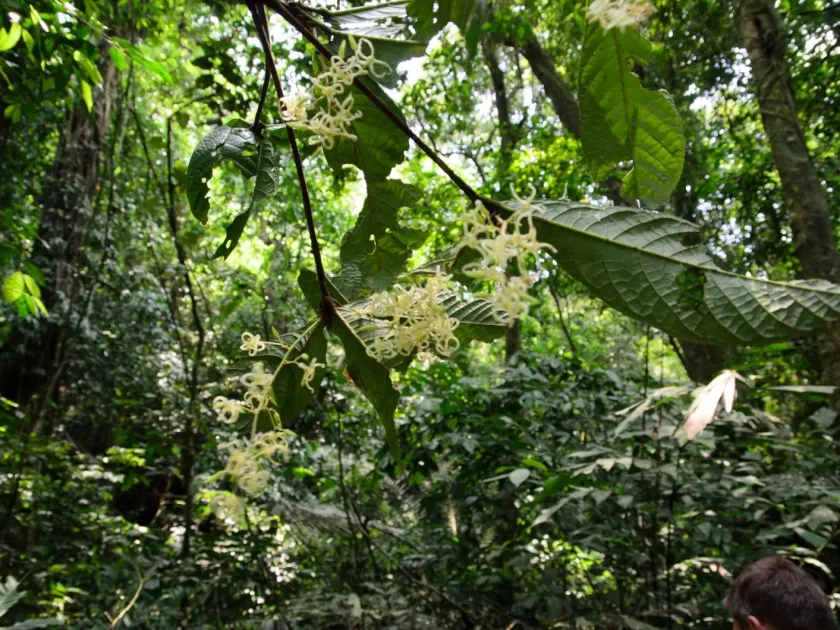
Description
Sowing dates
Sterculia hamiltonii is propagated primarily through seeds in specialized nursery environments. Sowing should occur in well-drained substrate rich in organic matter, maintaining a stable temperature around 25 degrees Celsius to ensure successful germination.
Seed preparation is a crucial step; soaking seeds in warm water before sowing helps to break dormancy and improves the overall germination rate significantly.
Seedlings are ready for transplanting when they reach a height of 30-40 centimeters and demonstrate strong, healthy root development. Great care must be taken to minimize root disturbance during this process.
The timing of sowing and transplanting is synchronized with the onset of the rainy season, which provides the necessary moisture for the young trees to establish themselves effectively.
Spacing between trees is determined by the specific objective of the plantation, ensuring each individual tree has sufficient access to light and nutrients for optimal growth throughout its development cycle.
Growing requirements
Belonging to the Malvaceae family, this species is a true tropical tree that thrives in warm, stable climates. It is highly sensitive to frost, which makes it unsuitable for regions with cold, temperate winters.
The soil requirements for Sterculia hamiltonii include deep, fertile, and well-aerated conditions. The tree cannot tolerate waterlogging, so effective drainage is essential for plantation longevity.
Light exposure is a critical factor for growth. Being a heliophilous species, it requires direct sunlight to maintain a high rate of photosynthesis and to ensure the proper hardening of the wood fibers.
Ideal soil pH ranges from neutral to slightly acidic. Maintaining a balanced nutrient profile through organic fertilization helps support the tree during the peak growth seasons.
Water management is paramount during the early stages of establishment. Regular moisture is needed, yet the soil structure must prevent any standing water that could lead to root decay.
Yield
The economic value of Sterculia hamiltonii is primarily derived from its high-quality timber. Yield is measured by the volume of commercial-grade wood produced per hectare upon reaching technical maturity.
Optimizing yield involves rigorous plantation management, including regular weeding, pruning, and protection against competitive plant species that may inhibit growth.
While timber is the main product, research into the sustainable harvesting of exudates or other non-timber products is becoming an emerging area of interest in tropical forestry.
The long-term planning of harvest cycles is essential for sustainable operation. Investors must account for the multi-decade growth period required to produce high-density wood products.
Improved silvicultural practices, such as selective breeding for growth rate and timber density, can significantly enhance the overall output of the plantations.
Main diseases and pests
Fungal diseases affecting the root system represent the primary threat, often caused by inadequate soil drainage or excessively humid conditions. Regular monitoring of the root crown is vital.
Stem borers and other wood-damaging insects pose a major risk to the quality of the timber. Integrated pest management programs are necessary to mitigate these dangers effectively.
Defoliating insects can weaken young trees during the growing season. Early detection of infestation and prompt application of biological control agents can protect the tree's health.
Maintaining proper spacing between trees helps reduce the spread of pathogens, ensuring that the plantation remains healthy and productive over time.
- Root rot fungi
- Stem borers
- Leaf-eating beetles
- Phytophthora infections
Harvesting
Timber harvesting is conducted once the trees reach the desired diameter and age. Professional felling techniques are employed to maximize the usable wood yield and minimize losses.
Initial processing occurs at the felling site, where trunks are delimbed and graded based on quality, ensuring that only high-value wood is transported to the processing facility.
The harvest season is typically scheduled during the dry period to facilitate easier access for heavy machinery and to prevent soil degradation from heavy equipment.
Post-harvest site management is a key component of sustainable forestry. This includes clearing debris and preparing the soil for the next generation of seedlings to maintain productivity.
Efficient logistics and quick transport are necessary to prevent the degradation of timber quality, ensuring the product retains its value before final industrial processing.