
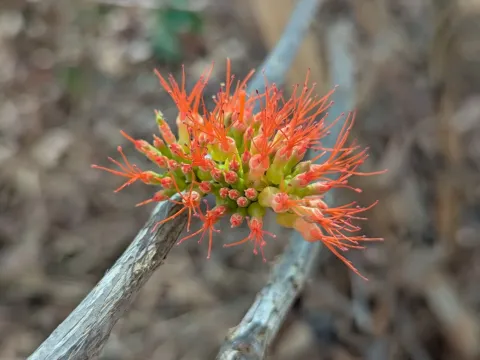
Combretum
Combretum
Combretum is a diverse genus of trees, shrubs, and lianas belonging to the Combretaceae family. Naturally occurring in the tropical and subtropical regions of Africa, Asia, and the Americas, these plants are highly valued for their ecological role and aesthetic appeal.
What the section contains
 Combretum aculeatum
Combretum aculeatum
Combretum aculeatum
 Combretum acuminatum
Combretum acuminatum
Combretum acuminatum
 Combretum adenogonium
Combretum adenogonium
Combretum adenogonium
 Combretum alternifolium
Combretum alternifolium
Combretum alternifolium
 Combretum binderianum
Combretum binderianum
Combretum binderianum
 Combretum caffrum
Combretum caffrum
Combretum caffrum
 Combretum coccineum
Combretum cuspidatum
Combretum cuspidatum
Combretum coccineum
Combretum coccineum
Combretum cuspidatum
Combretum cuspidatum
 Combretum elaeagnoides
Combretum elaeagnoides
Combretum elaeagnoides
 Combretum fragrans
Combretum fragrans
Combretum fragrans
 Combretum fruticosum
Combretum fruticosum
Combretum fruticosum
 Combretum glutinosum
Combretum glutinosum
Combretum glutinosum
 Combretum grandidieri
Combretum grandidieri
Combretum grandidieri
 Combretum grandiflorum
Combretum grandiflorum
Combretum grandiflorum
 Combretum hereroense
Combretum hispidum
Combretum hispidum
Combretum hereroense
Combretum hereroense
Combretum hispidum
Combretum hispidum
 Combretum kraussii
Combretum kraussii
Combretum kraussii
 Combretum laxum
Combretum lecardii
Combretum lecardii
Combretum laxum
Combretum laxum
Combretum lecardii
Combretum lecardii
 Combretum mechowianum
Combretum mechowianum
Combretum mechowianum
 Combretum micranthum
Combretum micranthum
Combretum micranthum
 Combretum microphyllum
Combretum microphyllum
Combretum microphyllum
 Combretum molle
Combretum molle
Combretum molle
 Combretum mossambicense
Combretum mucronatum
Combretum mucronatum
Combretum mossambicense
Combretum mossambicense
Combretum mucronatum
Combretum mucronatum
 Combretum nigricans
Combretum nigricans
Combretum nigricans
 Combretum nioroense
Combretum nioroense
Combretum nioroense
 Combretum ovalifolium
Combretum ovalifolium
Combretum ovalifolium
 Combretum paniculatum
Combretum paniculatum
Combretum paniculatum
 Combretum platypterum
Combretum porphyrobotrys
Combretum porphyrobotrys
Combretum platypterum
Combretum platypterum
Combretum porphyrobotrys
Combretum porphyrobotrys
 Combretum psidioides
Combretum psidioides
Combretum psidioides
 Combretum racemosum
Combretum racemosum
Combretum racemosum
 Combretum rotundifolium
Combretum rotundifolium
Combretum rotundifolium
 Combretum roxburghii
Combretum roxburghii
Combretum roxburghii
 Combretum tetralophum
Combretum tetralophum
Combretum tetralophum
 Combretum tomentosum
Combretum tomentosum
Combretum tomentosum
 Combretum wattii
Combretum zenkeri
Combretum zenkeri
Combretum wattii
Combretum wattii
Combretum zenkeri
Combretum zenkeri
 Combretum zeyheri
Combretum zeyheri
Combretum zeyheri
 Leadwood
Combretum imberbe
Leadwood
Combretum imberbe
 Red bushwillow
Combretum apiculatum
Red bushwillow
Combretum apiculatum
 River bushwillow
Combretum erythrophyllum
Silky combretum
Combretum sericeum
River bushwillow
Combretum erythrophyllum
Silky combretum
Combretum sericeum
Combretum
Botanically, Combretum is characterized by opposite or whorled leaves and distinct inflorescences often referred to as "bushwillows." The flowers possess long stamens, creating a unique brush-like appearance that attracts various pollinators in their native environments.
The cultural requirements for Combretum involve full sun exposure and warm, stable temperatures. Being frost-intolerant, the plant thrives in tropical climates, while in temperate zones, it is typically restricted to greenhouse cultivation or managed as a container plant.
Soil management is critical, as Combretum requires well-draining substrates to prevent root rot. It adapts to various soil types, but thrives best in fertile, slightly acidic to neutral loams. Adequate aeration is vital for the development of a healthy root system.
Agronomic practices include consistent pruning to manage growth habits and maintain the desired shape, especially for climbing species. During the active growing season, regular watering and balanced fertilization are necessary to support vigorous foliage and flower production.
Combretum has numerous хозяйственное applications, ranging from traditional medicine to forestry. Various species are known for their high tannin content, which has been historically utilized in the leather tanning industry and for the production of natural dyes.
In the pharmaceutical sector, extracts from the leaves and bark of several Combretum species are studied for their potential antimicrobial, anti-inflammatory, and antioxidant properties. This makes the genus a subject of interest for modern phytochemical research.
In landscape architecture, Combretum serves as an excellent choice for hedge formation, screen planting, and vertical gardening in tropical urban environments. Its fast growth rate and decorative flowers provide immediate visual and environmental benefits.
Timber from larger species is robust and durable, finding use in local construction and the manufacturing of small wooden tools. As an economic resource, it supports sustainable agroforestry practices in regions where the plants are naturally abundant.
Harvesting for medicinal use requires strict adherence to sustainable protocols to maintain the ecological balance of the population. Proper post-harvest handling, including shade-drying, is essential to preserve the biological activity of the collected plant parts.
The primary pests affecting Combretum include spider mites and scale insects, particularly when the plants are kept in greenhouse conditions with limited airflow. Early detection and the application of horticultural soaps or biological controls are effective management strategies.
Fungal diseases, such as root rot and powdery mildew, are the most common threats to plant health. These are usually linked to overwatering or high humidity, making the improvement of drainage and ventilation the primary defense mechanism for cultivators.
Chlorosis is a frequent non-infectious issue, often caused by nutrient deficiencies or incorrect soil pH. Corrective soil amendments, such as iron chelates, are typically used to restore normal leaf color and metabolic activity in affected specimens.
Sanitation practices are essential for preventing the spread of pathogens. This includes the immediate removal of dead or diseased tissue and the disinfection of pruning tools after each use to protect the integrity of the plant collection.
- Maintenance of optimal soil drainage.
- Regular inspection for spider mites and scales.
- Strategic pruning to increase airflow within the canopy.