
Combretum zeyheri
Combretum zeyheri
Description
Growing requirements
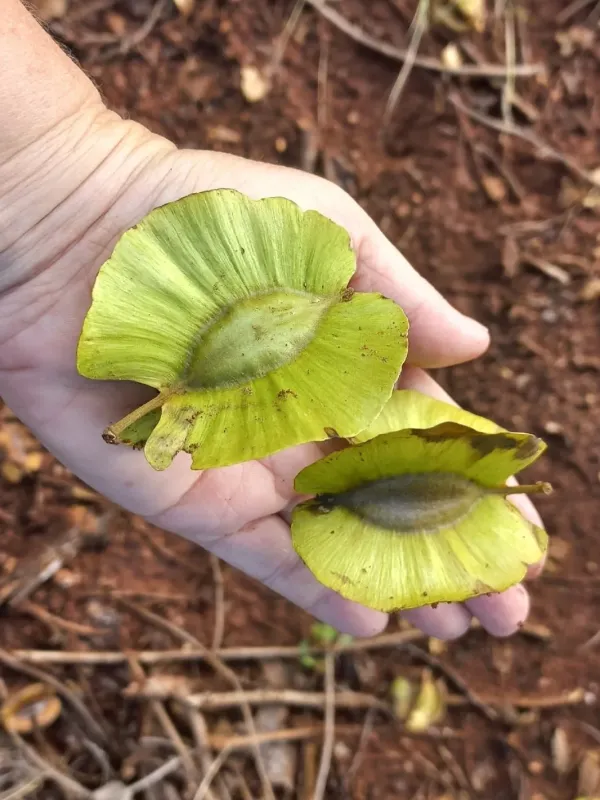
Combretum zeyheri, commonly known as the Large-fruited bushwillow, belongs to the Combretaceae family. It is a deciduous tree or shrub that typically grows to a height of 10 meters, characterized by a rounded canopy and distinctive, large four-winged fruits.
The species is native to tropical and subtropical regions of Africa, ranging from the Democratic Republic of the Congo through to the northern provinces of South Africa. It thrives in open woodlands and savanna landscapes where it has adapted to fluctuating environmental conditions.
This crop requires well-drained, sandy, or loamy soil types. Due to its evolutionary history in the savanna, it possesses exceptional drought tolerance, allowing it to survive long dry seasons with minimal rainfall.
Optimal growth is achieved in full sun exposure. Inadequate light levels significantly impede the development of the tree and reduce its overall resistance to environmental stressors. Therefore, selection of open, unshaded sites is essential.
Agronomic management should prioritize soil health and adequate spacing. While the tree is hardy, young specimens require care to establish a strong root system, and protection from severe frost is recommended in the early developmental stages.
Yield
The economic utility of Combretum zeyheri is diverse, primarily centered on its high-quality timber. The wood is dense and durable, favored for tool handles, carving, and various woodwork projects that require strength.
The fruits and roots have a significant history in traditional medicine and indigenous local practices. Scientific interest is growing regarding the phytochemical profile of the plant, which includes compounds that show potential for pharmacological use.
The yield of fruits is consistent once the tree reaches maturity. These fruits are not only important for propagation but also serve as a vital nutrient source for various wildlife, contributing to the biodiversity of the surrounding ecosystem.
As a forestry asset, it supports the rehabilitation of degraded lands. Its ability to grow in poor soils makes it an ideal candidate for reforestation efforts in semi-arid regions of the African continent.
Continued study of its chemical constituents suggests that the plant might eventually provide value as a specialized crop for bio-active ingredient extraction in the pharmaceutical industry.
Main diseases and pests
Fungal diseases related to excessive moisture are the most significant threats to Combretum zeyheri. Waterlogging can lead to root rot, which is often difficult to reverse once it has compromised the root structure.
Various insect pests, including defoliating caterpillars and wood-boring beetles, can cause damage to the canopy and stem. Regular field scouting is necessary to identify infestations before they cause significant physiological stress to the trees.
Young plants are particularly sensitive to sap-sucking insects during the peak growth season, which may necessitate light pest management interventions in managed plots.
Habitat loss and uncontrolled harvesting remain concerns for wild populations. Sustainable harvesting practices are critical to ensure that local ecosystems remain balanced and that the species is not overexploited.
- Maintain appropriate planting density to optimize airflow.
- Ensure proper soil drainage to prevent fungal proliferation.
- Implement integrated pest management (IPM) to maintain tree vigor.