
Combretum roxburghii
Combretum roxburghii
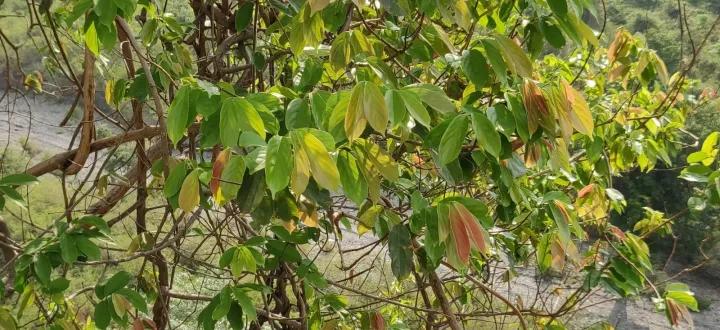
Description
Growing requirements
Combretum roxburghii is a woody perennial vine belonging to the Combretaceae family, native to the tropical landscapes of South and Southeast Asia.
To cultivate this species effectively, one must ensure a tropical climate with high humidity and fertile, well-draining soils that prevent waterlogging in the root zone.
The plant requires significant solar exposure to thrive, necessitating open cultivation sites where the vine can receive full sunlight throughout the growing season.
Structural support is mandatory for this crop; providing sturdy trellises or supports allows the plant to expand its foliage, facilitating better photosynthesis and airflow.
The agricultural and commercial value of Combretum roxburghii is primarily linked to its medicinal extracts, which are utilized for their tannin content and traditional healing applications.
Main diseases and pests
The main biological threats include fungal diseases that manifest as leaf spots or stem rot, particularly in environments with poor air circulation.
Pests such as spider mites, aphids, and various scale insects pose a constant threat, often attacking the tender growth tips during the peak of the growing season.
Effective management involves periodic application of systemic pesticides and careful pruning to ensure that the vine structure remains open to the air.
Monitoring for signs of nutrient deficiency is also critical, as yellowing leaves often signal an early susceptibility to secondary infections and infestations.
Integrated pest management protocols should be strictly followed to protect the biomass quality, which is essential for any potential pharmaceutical or industrial extraction.