
Combretum nigricans
Combretum nigricans
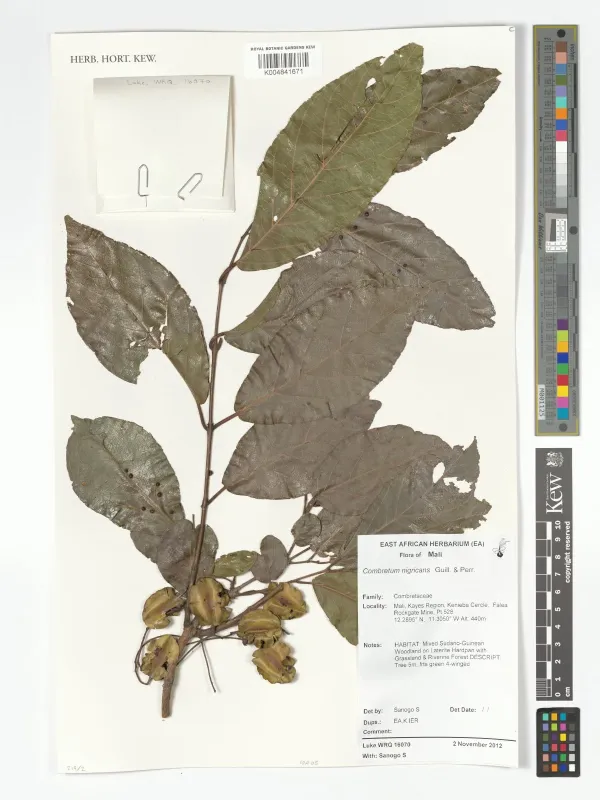
Description
Growing requirements
Combretum nigricans is a tree species belonging to the Combretaceae family, native to the savanna regions of West and Central Africa. It is a highly resilient plant, specifically evolved to thrive in environments with distinct wet and dry seasons, often found in the Sahelian zone.
The species is well-adapted to poor, sandy, and well-drained soils, showing a remarkable tolerance for low nutrient content. Its deep-reaching root system allows it to stabilize soil, making it an excellent candidate for erosion control and environmental restoration projects.
Climatic requirements focus on high solar radiation and resistance to extreme heat. While it flourishes in tropical conditions, it requires proper spacing during plantation to ensure each tree receives sufficient sunlight, which is crucial for the development of its dense crown.
Botanically, the tree is recognized by its leathery, deciduous leaves and small flowers. Its ability to shed leaves during severe drought is a protective mechanism that reduces water loss, allowing the tree to survive months without significant rainfall.
In agricultural settings, young plants require protection during their establishment phase, particularly from livestock grazing and competition from grasses. Once matured, the tree becomes highly independent, requiring minimal water inputs or soil fertilization.
Yield
The economic value of Combretum nigricans is diverse, with wood production being a primary utilization. The timber is dense and durable, making it ideal for construction, agricultural tools, and the production of premium-quality charcoal used for cooking and heating.
Another significant commercial aspect is the production of gum, an exudate harvested from the tree's bark. This natural resin serves various industrial purposes, including use in the food, textile, and adhesive sectors, providing an important income stream for local farmers.
Medicinal applications remain a major use of this species. Traditional practices utilize extracts from the bark, roots, and leaves to address health issues ranging from gastrointestinal discomfort to inflammatory conditions, supported by the plant's rich profile of bioactive compounds.
The tree also functions as a vital supplement in livestock management. During the dry season, when grasses are scarce, the foliage and fruits provide a necessary source of protein and minerals for goats and cattle, enhancing the sustainability of local pastoral farming.
Yield management requires balancing the harvest of gum with the biological health of the tree. Sustainable extraction techniques allow for consistent productivity over many years without compromising the tree's overall lifespan or growth vigor.
Main diseases and pests
Common phytosanitary issues involve fungal wood rot, which typically occurs when the bark is mechanically damaged. Proper pruning techniques and the avoidance of deep incisions are essential to prevent the entry of pathogens into the vascular system of the tree.
Termites constitute the most significant pest threat, especially for young trees, as they can attack the root system and inner trunk. Implementing protective measures such as using termite-resistant nursery containers or natural soil treatments is a standard preventive practice.
Defoliating insects can occasionally cause outbreaks, reducing the photosynthetic capacity of the canopy. While mature trees generally recover, severe infestations require monitoring to prevent long-term weakening of the plant's health and wood quality.
Human-induced threats, particularly over-harvesting for fuel or improper extraction of resin, can leave the trees vulnerable to secondary infections. Education on sustainable practices is vital for preserving the longevity and health of the stands.
To mitigate threats, integrated management strategies such as site selection, maintaining appropriate tree density, and regular field inspections are recommended. Such proactive measures ensure the long-term viability of the agricultural enterprise.