
Combretum coccineum
Combretum coccineum
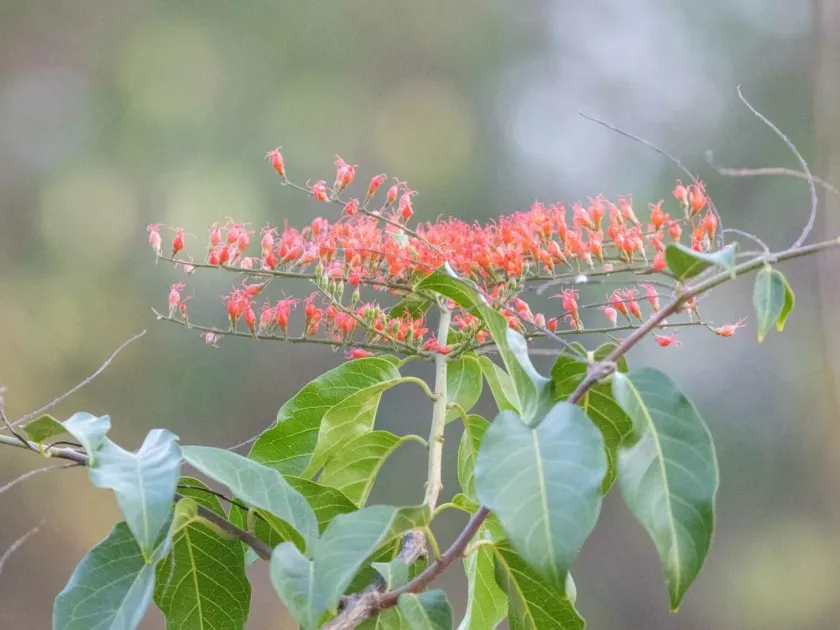
Description
Growing requirements
Combretum coccineum is a vigorous, woody vine belonging to the Combretaceae family, native to the tropical forests of Madagascar. It is highly prized for its brilliant red floral displays, which add significant aesthetic value to indoor landscapes and greenhouses.
The plant thrives in environments that mimic its tropical origin, requiring plenty of bright, filtered light. While it appreciates high light levels, direct sunlight can scorch the foliage, necessitating a degree of shade during the hottest hours of the day.
Regarding soil, Combretum coccineum demands a well-draining, nutrient-rich potting medium. A mixture of peat moss, perlite, and organic compost is recommended to ensure adequate aeration while retaining sufficient moisture for the roots.
Climate control is paramount, with a preference for warm temperatures ranging from 20 to 25 degrees Celsius. It is essential to protect the vine from cold drafts and sudden temperature fluctuations, which can cause leaf drop and stunted development.
Maintenance includes regular watering, keeping the soil consistently moist but never waterlogged. Furthermore, consistent high humidity is necessary to keep the plant vigorous and to prevent the margins of the leaves from drying out and turning brown.
Main diseases and pests
Spider mites are the most common pest for Combretum coccineum grown in sheltered environments. They thrive in dry conditions and can cause significant damage to the plant's vascular system, leading to foliage chlorosis.
Root rot, primarily caused by Phytophthora or Pythium species, is a major threat linked to poor drainage. When the roots sit in stagnant water, they lose their ability to transport nutrients, eventually leading to the death of the entire vine.
Mealybugs are another persistent pest that hides in the leaf axils. These sap-sucking insects secrete a sticky honeydew that promotes the growth of sooty mold, further degrading the health and appearance of the vine.
Fungal leaf spots can occur when the foliage remains wet for extended periods without adequate air circulation. Ensuring that the space between vines is well-ventilated helps to mitigate this risk significantly.
Integrated pest management, including regular inspection and the use of horticultural oils, is the most effective way to maintain a healthy specimen. Early detection of any symptoms is crucial for preventing widespread infestation in the greenhouse.