
Combretum binderianum
Combretum binderianum
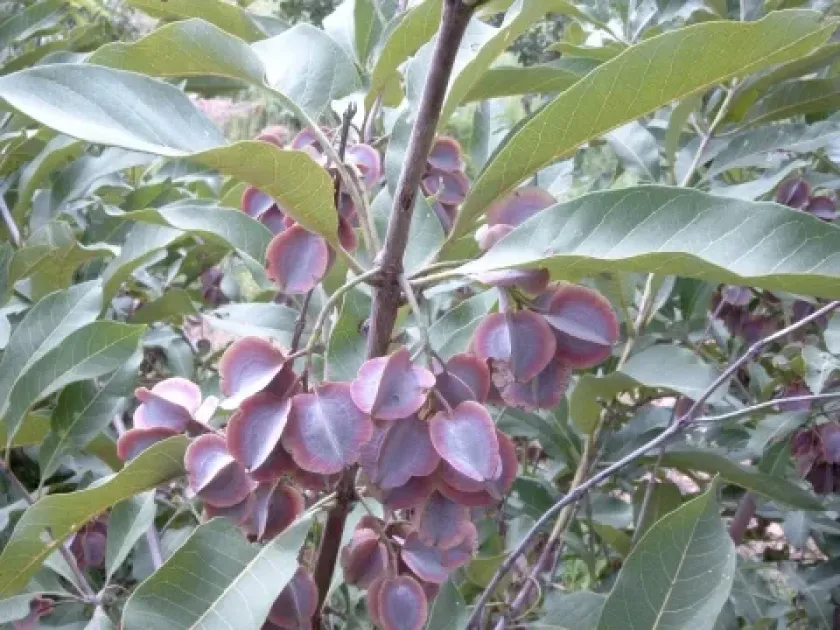
Description
Growing requirements
Combretum binderianum belongs to the Combretaceae family and is recognized as a hardy woody species primarily found in the savanna and woodland regions of tropical Africa. It serves as a vital component of the local ecological landscape due to its resilience.
The plant demonstrates significant physiological adaptation to arid environments. It thrives in well-drained soils, often colonizing stony or sandy substrates where water retention is challenging, making it a robust candidate for restoration in degraded tropical drylands.
Botanically, the species is defined by its ability to maintain growth under intense solar radiation and fluctuating rainfall. Its leaves are structurally adapted to minimize transpiration, and its root system is robust enough to reach moisture deep within the soil profile.
In terms of economic utilization, the timber of Combretum binderianum is highly valued for its durability. It is frequently employed in rural construction, the crafting of tool handles, and as a primary source of high-quality firewood for local communities.
Furthermore, the plant is integrated into traditional medicine systems. Phytochemical analysis suggests the presence of bioactive compounds in its bark and roots, which are utilized for their potential anti-inflammatory and antiseptic properties in various ethnomedicinal applications.