
Combretum fruticosum
Combretum fruticosum
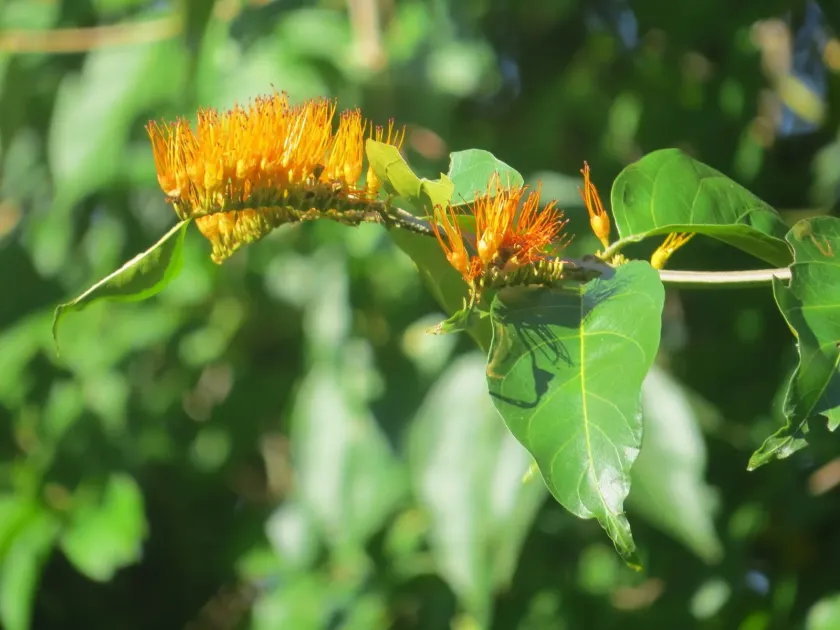
Description
Growing requirements
Combretum fruticosum, belonging to the Combretaceae family, is a vigorous shrub or woody climber native to the tropical regions of the Americas. Its natural range stretches across diverse climates, yet it consistently requires warm temperatures and high levels of sunlight to thrive throughout its life cycle.
The plant demonstrates high adaptability to various soil types, provided they are well-drained and fertile. In agricultural and ornamental settings, keeping the soil pH within the neutral to slightly acidic range is crucial for nutrient uptake and preventing deficiency symptoms such as chlorosis in the foliage.
Climatic requirements are specific: this species is strictly frost-tender and flourishes best in zones where temperatures do not drop below freezing. In colder latitudes, Combretum fruticosum must be grown as a container plant and relocated to a greenhouse or conservatory during winter months to protect the structural integrity of the stems.
Maintenance and pruning are integral parts of its agronomy. Regular trimming after the flowering season encourages the development of new, healthy shoots and maintains the desired shape, especially when grown as a climber or hedge. Water management is essential; while established plants show moderate drought tolerance, adequate moisture must be provided during the flowering phase.
The primary utility of the plant is in landscaping and urban design, where it is utilized for its exceptional ornamental value. Its unique, brush-like, bright yellow to reddish-orange flowers serve as a vital source of nectar for birds, butterflies, and other pollinators, making it an ecological asset in tropical gardens.
Main diseases and pests
The most frequent threats include common greenhouse pests such as spider mites, aphids, and scale insects. These pests thrive in dry indoor environments; therefore, maintaining an appropriate humidity level and applying horticultural oils or systemic insecticides is recommended for effective pest management.
Pathogenic threats are primarily associated with root rot and other soil-borne fungi. These issues occur predominantly in waterlogged conditions. Ensuring a high-quality, free-draining substrate and allowing the surface layer of the soil to dry slightly between waterings are the best preventative measures for any professional grower.