
Combretum alternifolium
Combretum alternifolium
Description
Growing requirements
Combretum alternifolium is a woody shrub or tree belonging to the Combretaceae family. It is native to the tropical regions of Africa, where it has adapted to survive in diverse savanna landscapes and secondary forests, demonstrating significant ecological resilience.
The plant thrives in well-drained soils, preferably loamy or sandy types that allow for efficient oxygen exchange in the root zone. It requires a location with full sun exposure to maintain its characteristic foliage density and promote healthy shoot development throughout the growth cycle.
Regarding climate, this species is strictly tropical and requires consistent warmth, ideally between 20°C and 30°C. It lacks tolerance for frost or prolonged cold snaps, which means cultivation is strictly confined to regions where temperatures remain high throughout the year.
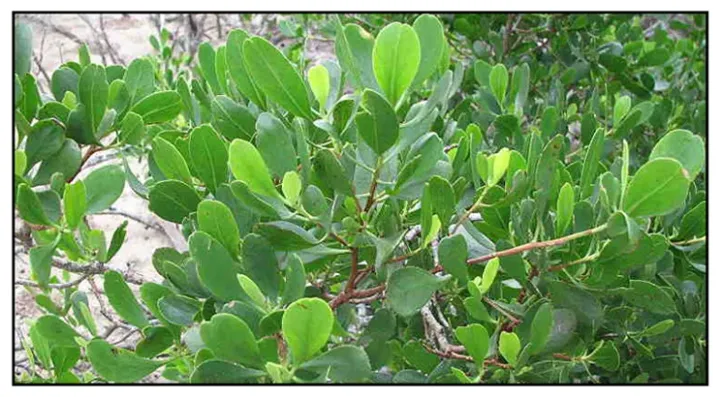
Botanically, it is identified by its alternate leaf arrangement, distinguishing it from other members of the genus. The plant structure is designed to minimize moisture loss, featuring leaves that are often coriaceous or textured to endure the harsh radiation of its native environment.
Historically, the plant has been utilized in local subsistence farming and traditional woodcrafts. While not a major industrial commodity, its presence in agroforestry systems provides ecological benefits, such as soil stabilization and shelter for smaller, shade-tolerant plant species.