
Combretum caffrum
Combretum caffrum
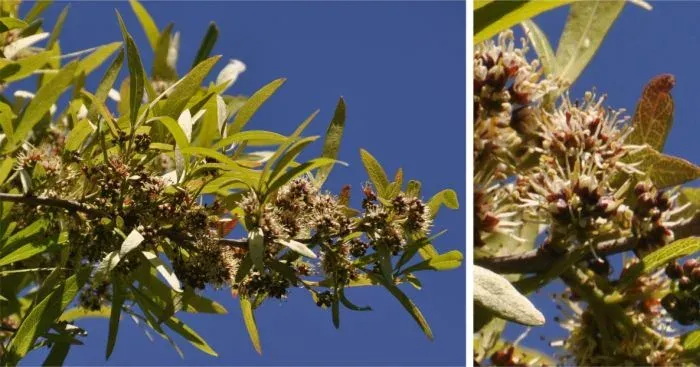
Description
Growing requirements
Combretum caffrum is a member of the Combretaceae family, native to the southern regions of Africa. This woody perennial is known for its aesthetic value and is typically cultivated in warm, frost-free environments where it can reach its full growth potential.
The plant thrives in full sun exposure, which is critical for healthy leaf development and profuse flowering. It demands high levels of light intensity to maintain its characteristic growth habit and dense foliage throughout the active season.
Regarding soil requirements, this species prefers well-draining, fertile loams that do not retain excess water. Maintaining a proper balance of soil aeration is essential, as the roots are susceptible to rotting if oxygen supply is restricted by waterlogging.
Agricultural management involves routine pruning to maintain the plant's shape and encourage vigor. While the species is relatively drought-tolerant once established, regular irrigation is recommended during the initial growth phases to ensure a strong root system.
Economically, Combretum caffrum is primarily utilized in ornamental horticulture and landscape design. It serves as a striking specimen in subtropical gardens and is often valued for its ability to provide shade and visual appeal in warmer climates.
Main diseases and pests
Powdery mildew is a common fungal threat, particularly in environments with high humidity and poor air circulation. Implementing proper spacing between individual plants is a primary preventative measure to reduce the risk of infection.
Aphids and scale insects represent the most significant pest threats, often targeting soft new growth and stems. Integrated pest management strategies, including the use of horticultural oils, are effective in controlling these populations.
Root pathogens are a serious concern if the growing medium remains waterlogged for extended periods. Ensuring excellent drainage and avoiding over-irrigation are fundamental practices to prevent root decay and plant decline.
Spider mites can become problematic during periods of dry, hot weather, leading to leaf drop if left unchecked. Increasing the surrounding humidity or utilizing specific acaricides can help manage mite infestations effectively.
Nutritional imbalances, leading to chlorosis, may occur in alkaline soils where essential nutrients become unavailable. Regular soil testing and the application of balanced, acidifying fertilizers are recommended to maintain plant vitality.