
Combretum micranthum
Combretum micranthum
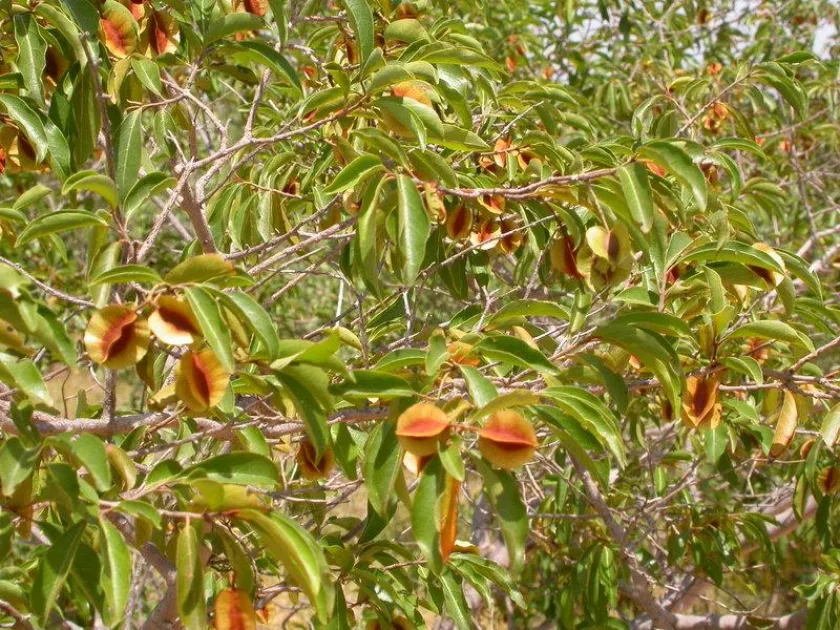
Description
Sowing dates
Propagation of Combretum micranthum in natural conditions typically occurs through seed germination or vegetative division at the onset of the rainy season.
The seeds of this plant require scarification or soaking to enhance germination rates due to their thick, protective outer coat.
Sowing is carried out in prepared nursery beds or directly into the soil once stable atmospheric moisture levels are established.
The optimal time for transplanting seedlings is during the active vegetative growth phase to ensure better root system establishment in the new location.
It is essential to maintain proper spacing between plants when establishing plantations to ensure adequate air circulation and light penetration.
Growing requirements
The crop belongs to the Combretaceae family and is an evergreen shrub or small tree that can reach several meters in height.
Combretum micranthum thrives in well-drained sandy or loamy soils typical of the savanna regions of West Africa.
The plant is light-loving and drought-tolerant, exhibiting excellent adaptation to semi-arid climates with a distinct dormant period.
For vigorous growth, the shrub requires long daylight hours and average temperatures ranging between 25 and 35 degrees Celsius.
During cultivation, it is critical to avoid waterlogging in the root zone, as this can lead to the development of fungal pathogens.
Yield
The primary raw material used in commercial production is the leaves, which are harvested during the active period of sap flow.
Yield of green biomass depends directly on planting density, the age of the shrub, and the timing of shoot pruning.
Industrial harvesting is conducted by selectively pruning leafy branches, which stimulates further branching and the growth of new shoots.
Drying of the harvested material must be performed in the shade with proper ventilation to preserve the bioactive compounds within the leaf tissue.
Regular plantation management allows for multi-year exploitation, provided that organic fertilizers are applied to maintain soil fertility.
Main diseases and pests
Combretum micranthum possesses a high natural resistance to most pests due to the presence of tannins and flavonoids in its tissues.
The main threat under humid conditions is various types of leaf spot disease that develop when moisture levels become excessive.
Root damage by nematodes is possible when cultivating on soils that have not undergone proper pre-planting preparation and sterilization.
If agronomic practices are neglected, the shrubs may be susceptible to aphids or spider mites during prolonged periods of atmospheric drought.
For pest control, it is recommended to utilize biological protection methods, minimizing the use of synthetic chemical pesticides.
Harvesting
Harvesting of Combretum leaves is primarily done by hand, selecting the most developed and healthy specimens to ensure high-quality produce.
The concentration of beneficial bioactive substances peaks just before flowering, so harvest timing is aligned with this specific development phase.
After collection, the raw material undergoes immediate cleaning to remove debris and woody stems before proceeding to primary processing.
A crucial step in post-harvest handling is rapid drying, which prevents unwanted fermentation and the loss of the plant's therapeutic properties.
Finished dry raw material is packed in breathable containers, ensuring product integrity during transport and long-term storage.