
Combretum grandidieri
Combretum grandidieri
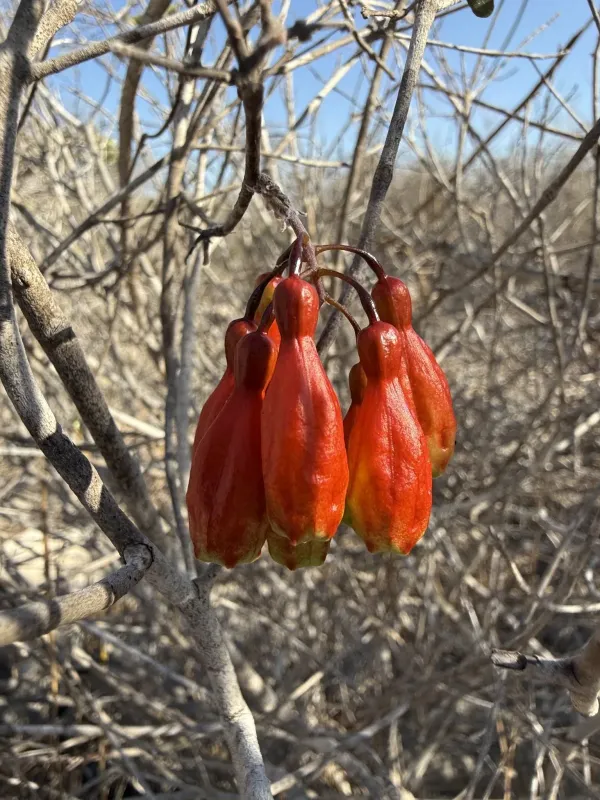
Description
Growing requirements
Combretum grandidieri is a woody climber or shrub species belonging to the Combretaceae family. It is endemic to the island of Madagascar, where it thrives in specific tropical forest environments, playing a key role in local biodiversity.
The plant requires a warm, stable climate with high humidity levels to maintain optimal physiological activity. It typically grows in regions that experience distinct but mild seasonal variations, necessitating a frost-free environment throughout the year.
Soil requirements for this species are centered on excellent drainage and high organic content. It prefers slightly acidic to neutral substrates, which prevent the accumulation of excess water that could be detrimental to its sensitive root system.
Agricultural management of Combretum grandidieri involves the installation of climbing supports, as the species naturally utilizes other plants for vertical growth. Pruning is essential to maintain plant health and to prevent excessive tangled growth that may harbor pests.
In terms of хозяйственного usage, the plant is primarily valued for its botanical uniqueness and potential ethnobotanical applications. Ongoing interest exists in documenting its specific chemical properties for secondary metabolites of medicinal interest.
Main diseases and pests
The primary threats to Combretum grandidieri include fungal pathogens that target the root system in poorly drained soils, causing root rot. Additionally, various sap-sucking insects, such as aphids and scale insects, pose significant risks to foliage health in managed environments.