
Combretum tomentosum
Combretum tomentosum
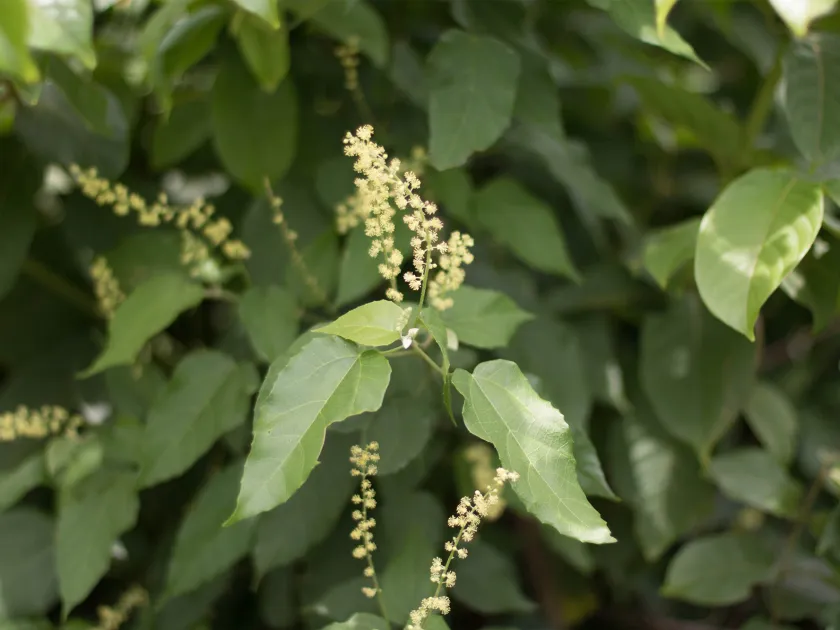
Description
Growing requirements
Combretum tomentosum is a woody shrub or climbing plant species belonging to the Combretaceae family. Native to the tropical regions of Africa, this plant is well-adapted to savanna environments and forest edges, where it thrives in diverse ecological niches.
The plant is characterized by its distinctive tomentose (hairy) leaves, which provide a natural adaptation to intense solar radiation by reflecting excess heat and reducing water loss through transpiration. This trait makes it highly resilient in arid and semi-arid zones.
Regarding soil requirements, this species favors well-drained sandy-loam soils. It performs best in substrates that allow for deep root penetration, ensuring that the plant can access deeper water tables during the dry season of its natural habitat.
Climatic preferences include high average temperatures and distinct seasonal patterns. While it requires full sun exposure for optimal flower and fruit development, it can tolerate partial shade in its juvenile stage to prevent heat stress and dehydration.
Agricultural management should focus on maintaining a balanced soil pH, generally between 6.0 and 7.0. Ensuring that the soil structure is not compacted is vital, as the plant roots require adequate aeration to facilitate nutrient uptake.
Harvesting
The primary economic use of Combretum tomentosum involves the harvest of leaves and bark for pharmacological and traditional medical practices. These parts are valued for their complex phytochemical profile, which is studied for potential antioxidant properties.
Harvesting strategies are typically manual, focusing on the seasonal removal of foliage during the vegetative peak. This ensures that the biomass is rich in secondary metabolites while minimizing the impact on the plant's overall structural integrity and subsequent growth cycles.
Post-harvest processing involves air-drying the collected materials in shaded environments to preserve heat-sensitive compounds. Proper ventilation is essential during this stage to prevent the development of mold and ensure the longevity of the plant-based product.
The stems of the plant are sometimes utilized in local artisanal craft industries. Their flexibility makes them suitable for weaving and binding applications, representing a secondary revenue stream for communities managing these plants.
Future agricultural prospects include integrating this species into agroforestry systems. By providing canopy cover and contributing organic matter to the soil, Combretum tomentosum can play a dual role in both production and soil conservation efforts.