
Combretum kraussii
Combretum kraussii
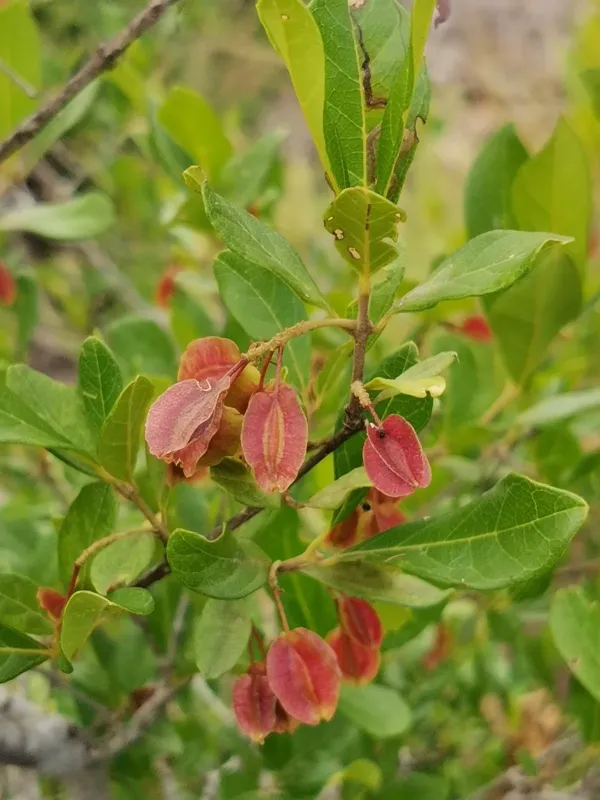
Description
Growing requirements
Combretum kraussii, commonly known as the Forest bush willow, is a deciduous tree belonging to the Combretaceae family. It is native to the eastern and southern regions of Africa, where it thrives in woodlands and along riverbanks.
This species is highly versatile regarding soil conditions and can tolerate various textures, including rocky and sandy soils. However, deep, well-draining soils provide the best conditions for the tree to establish a robust and healthy root system.
The tree requires full sun exposure to maintain its growth density and to produce its signature vibrant autumn foliage. It is generally hardy, thriving in subtropical climates where temperatures remain above freezing, although it can withstand light frost once mature.
Cultivation practices involve proper spacing to allow for crown development, as the tree can reach significant heights under optimal conditions. Pruning is often used to shape the tree or to remove dead branches, ensuring better airflow within the canopy.
Economic and landscape utility includes the use of the tree in restoration ecology, as a provider of shade in gardens, and for its dense, durable wood used in local craftsmanship. Its nectar-rich flowers are also crucial for supporting local pollinator populations.
Main diseases and pests
Common pests affecting this species include various leaf-feeding insects, such as caterpillars, which may defoliate young saplings during the peak growing season. Integrated pest management strategies are recommended to mitigate these impacts.
Fungal issues, particularly leaf spot diseases, can occur in environments with high humidity and poor air circulation. Maintaining proper sanitation by removing fallen leaves and ensuring adequate spacing between individual trees significantly reduces the risk of infection.