
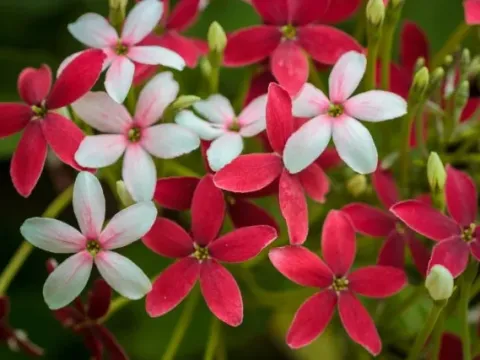
Rangoon Creeper
Quisqualis
The Rangoon Creeper (Quisqualis), taxonomically known as Combretum indicum, is a vigorous woody vine in the Combretaceae family. It is native to tropical Asia and Africa, recognized for its clusters of fragrant flowers that shift color from white to pink and finally deep red.
What the section contains


Rangoon Creeper
Cultivation requirements for this species focus on tropical climate conditions. It thrives in high temperatures and high humidity, making it an excellent choice for tropical gardens. In temperate regions, it must be grown in greenhouses or as a container plant that is moved indoors during winter.
Soil quality is paramount for optimal health. The plant demands well-draining, fertile soil enriched with organic matter. Proper drainage is essential, as waterlogged conditions quickly lead to root rot, which is a frequent cause of failure in container cultivation.
Lighting needs are high; the plant requires full sun to partial shade. Exposure to direct sunlight for at least six hours a day ensures a heavy bloom, while insufficient light often leads to leggy growth and a significant reduction in flowering performance.
Pruning is an essential aspect of the crop's maintenance. Since the vines grow rapidly, periodic trimming helps manage their size, encourages the development of more lateral flowering shoots, and maintains an aesthetically pleasing structure in the landscape.
The primary pests affecting Quisqualis include spider mites and scale insects. These organisms tend to colonize the foliage and stems, especially in environments where humidity levels are not properly regulated.
Root rot is the most common disease, resulting from poor soil aeration and overwatering. Ensuring the planting medium is porous and the pots have adequate drainage holes is the best defense against fungal pathogens targeting the root system.
Leaf spot diseases, often caused by fungal or bacterial agents, can appear in humid conditions with poor airflow. Removing affected leaves and improving ventilation are critical steps to contain the spread of these infections.
Nutritional deficiencies, specifically magnesium or iron chlorosis, can cause yellowing of leaves. Regular monitoring of the soil pH and balanced fertilization are required to ensure the plant can efficiently uptake necessary nutrients.
Integrated pest management (IPM) should be practiced by regularly inspecting the plant and utilizing horticultural oils or soaps as a first line of defense before resorting to systemic chemical pesticides.