
Combretum ovalifolium
Combretum ovalifolium
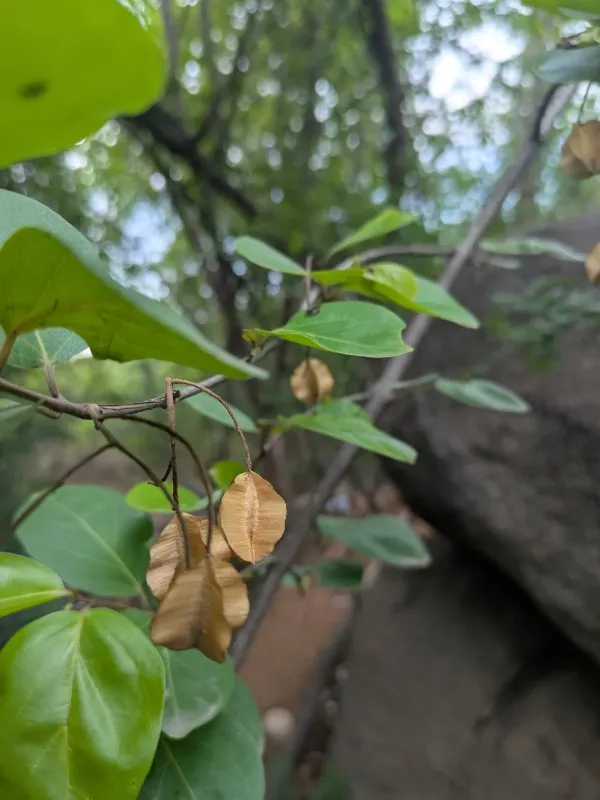
Description
Growing requirements
Combretum ovalifolium is a woody perennial shrub or small tree belonging to the Combretaceae family. It is native to the Indian subcontinent, thriving in diverse tropical ecosystems and seasonal climates.
The plant typically grows in well-drained, fertile soils, showing a preference for locations that provide full exposure to sunlight. It is well-adapted to habitats where soil aeration is a critical factor for the development of its extensive root system.
Optimal cultivation requires consistent tropical temperatures and a distinct transition between wet and dry seasons. The species displays remarkable resilience to high temperatures and is often used in restoration ecology for slope stabilization.
Agricultural management focuses on proper spacing and soil preparation to ensure long-term productivity. When cultivated in managed systems, the plant benefits from periodic pruning to improve airflow and facilitate easier maintenance of the canopy.
The economic utility of the species is primarily centered on its role in agroforestry, where it contributes to environmental conservation and biomass production. It is increasingly studied for its ecological significance in preventing soil erosion.
Main diseases and pests
Pathogenic fungi represent a primary threat, particularly in environments with poor air circulation or excessive moisture. These conditions can lead to foliage discoloration and reduced growth vigor, necessitating early detection.
Insects like scale insects and aphids may occasionally affect the health of younger plants. Integrated pest management strategies, utilizing both physical and biological controls, are recommended to minimize the impact on the crops.