
Red bushwillow
Combretum apiculatum
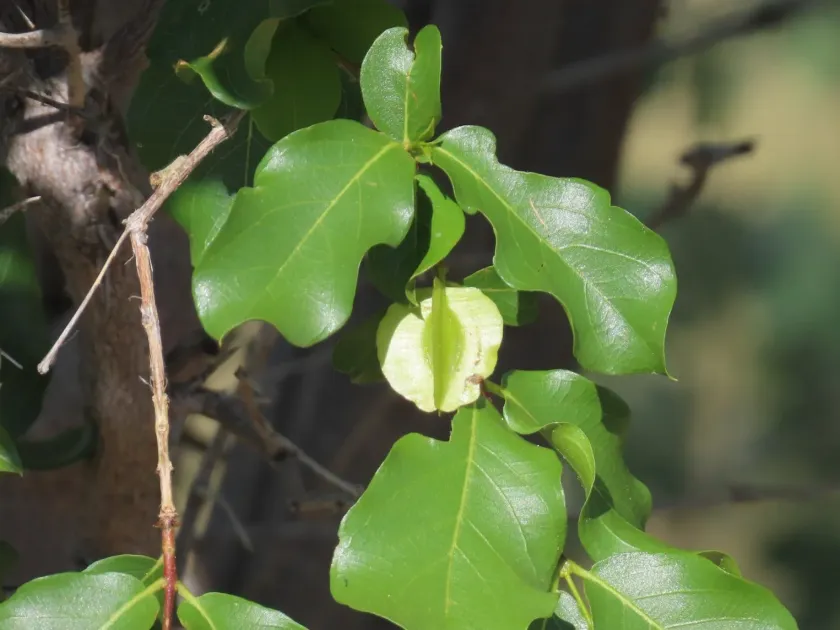
Description
Growing requirements
Red bushwillow (Combretum apiculatum) is a significant tree species belonging to the Combretaceae family, widely distributed across the African continent.
This species is highly regarded for its exceptional drought tolerance, allowing it to thrive in regions with sparse rainfall and harsh climate conditions.
It adapts to various soil types, ranging from deep sandy soils to shallow rocky ridges, demonstrating remarkable versatility in its environmental requirements.
The tree thrives in full sun exposure and is capable of enduring high temperatures that would be detrimental to many other woody plants.
Botanically, it is identified by its distinctive leaves that often turn reddish-brown before falling, giving the plant its common name.
Yield
The agricultural utility of this tree is extensive, primarily serving as a vital browse for livestock during the dry season when grass cover is limited.
Its timber is renowned for its hardness, strength, and durability, making it a preferred material for tool handles, fence posts, and construction purposes.
Local communities utilize the wood for producing high-caloric charcoal, which is a staple fuel source in many rural areas across its native range.
Beyond material benefits, the tree supports biodiversity by providing habitats for various avian and insect species within the savanna ecosystem.
- Provision of high-quality browse for ruminants
- Production of durable poles for farm fencing
- Soil stabilization on degraded slopes
Main diseases and pests
The main threats to Combretum apiculatum populations include over-exploitation for fuel and the expansion of arable land into natural savanna habitats.
Insect pests such as wood-boring beetles can pose a risk, particularly to trees that are already stressed by environmental factors or mechanical injury.
While generally hardy, young saplings are vulnerable to intense grazing pressure and bushfires, necessitating protection during the early years of establishment.
Fungal diseases are rarely a major concern unless the trees are planted in sites with poor drainage, which can lead to root and collar rot issues.
Sustainable management practices are essential to ensure the longevity of these trees, including controlled harvesting and active reforestation efforts.