
Combretum fragrans
Combretum fragrans
Description
Growing requirements
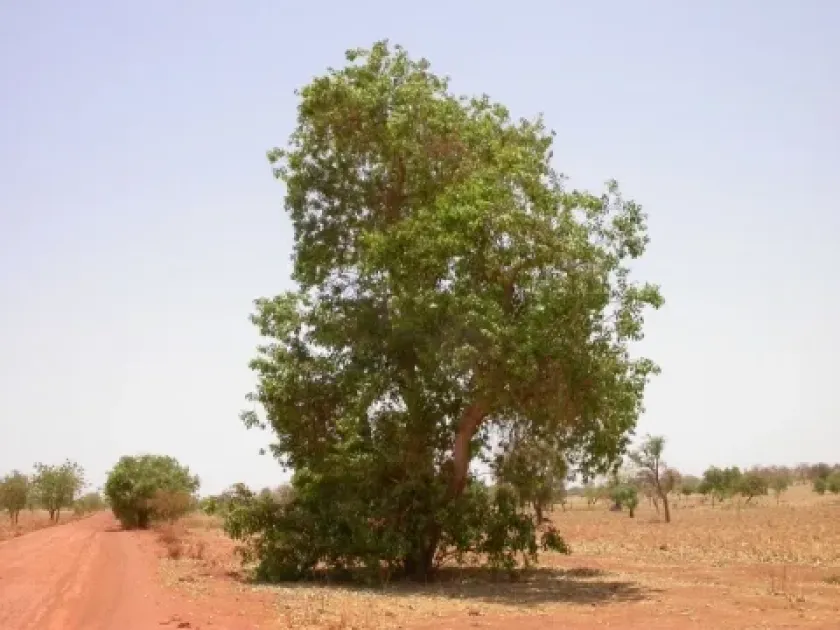
Combretum fragrans is a notable shrub or small tree belonging to the Combretaceae family. It is native to the tropical savannah regions of Africa, where it thrives in varied climatic conditions, often associated with seasonal rainfall patterns.
The plant is characterized by its elliptical leaves and highly fragrant flowers, which bloom to attract various pollinators. Botanically, it is adapted to survive in environments where water availability fluctuates, often showing significant drought resistance in mature stages.
Cultivation requires well-drained sandy or loamy soils. The species is highly sensitive to waterlogging, making proper drainage design essential for both nursery stages and field planting to prevent root rot and physiological stress.
Regarding climate, the plant demands consistent warmth and long periods of full sun exposure. It is not cold-hardy, and in controlled environments, it should be kept in temperatures above 15 degrees Celsius to maintain healthy vegetative growth.
Economically, Combretum fragrans is valued for its traditional medicinal properties and potential in agroforestry. The bark and roots are frequently harvested for local pharmacological applications, making it a plant of cultural and economic significance.
Main diseases and pests
Common pathogens affecting this crop include fungal infections that target foliage during the transition from dry to rainy seasons. Monitoring for leaf spots and early decay is crucial for maintaining the vigor of the plantations.
Pests such as scale insects and aphids may infest younger plants, slowing down their growth significantly. Physical removal or the application of horticultural oils is often sufficient to control these minor outbreaks in small-scale setups.
Root system vulnerability during the seedling phase is a major threat if soil aeration is poor. Using a balanced substrate mixture during propagation helps in reducing the impact of anaerobic soil conditions on young rootlets.
Defoliation caused by various beetle species can occur during peak infestation periods in wild or semi-wild habitats. Integrated pest management practices, including the use of pheromone traps, are recommended for intensive farming.
Overall, maintaining plant health relies on hygiene, such as removing fallen leaves and pruning dead branches periodically. This reduces the inoculum pressure of fungi and denies pests shelter during the off-season.