
Combretum glutinosum
Combretum glutinosum
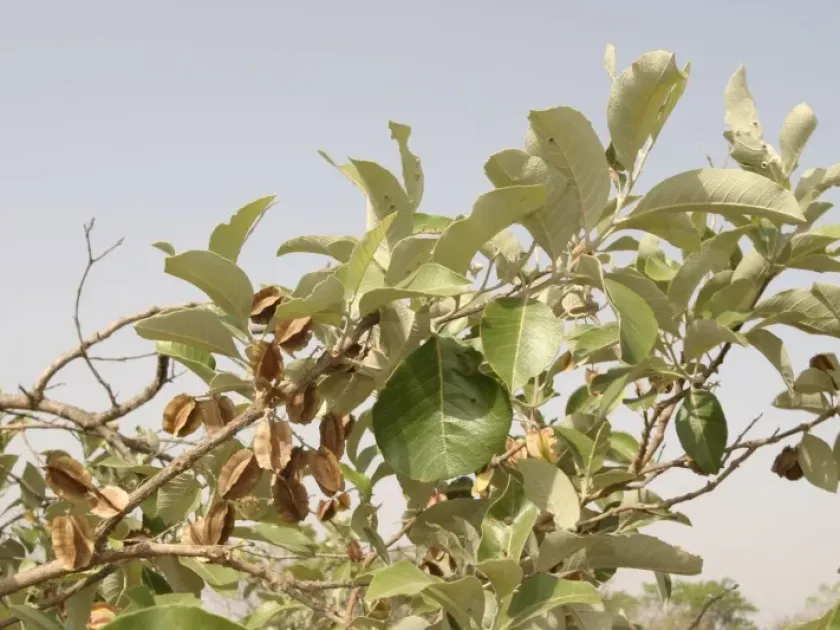
Description
Growing requirements
Combretum glutinosum is a shrub or small tree belonging to the Combretaceae family, widely distributed across the African savannahs.
The plant is highly drought-tolerant, exhibiting specialized physiological mechanisms to survive in regions with erratic rainfall patterns.
It prefers well-drained sandy or loamy soils, which mimic its natural habitat and prevent the risk of root rot during peak rainfall.
Being a heliophilous species, it requires direct sunlight for the majority of the day to ensure vigorous growth and nutrient synthesis.
The plant plays a crucial role in soil stabilization, as its deep root system prevents erosion in sandy environments common in the Sahel.
Harvesting
The utilization of Combretum glutinosum is extensive in traditional medicine, where leaves are used to treat various infections and digestive disorders.
Leaves and bark are harvested in a sustainable manner, ensuring the plant can regenerate efficiently after the collection process.
The wood is known for its durability and resistance to termites, making it a valuable material for rural construction and tool handles.
Seed harvesting involves collecting winged fruits once they have dried on the branches, facilitating propagation for reforestation programs.
Various extracts derived from the plant are also investigated for their potential antimicrobial activities in modern pharmacological research.