
Combretum aculeatum
Combretum aculeatum
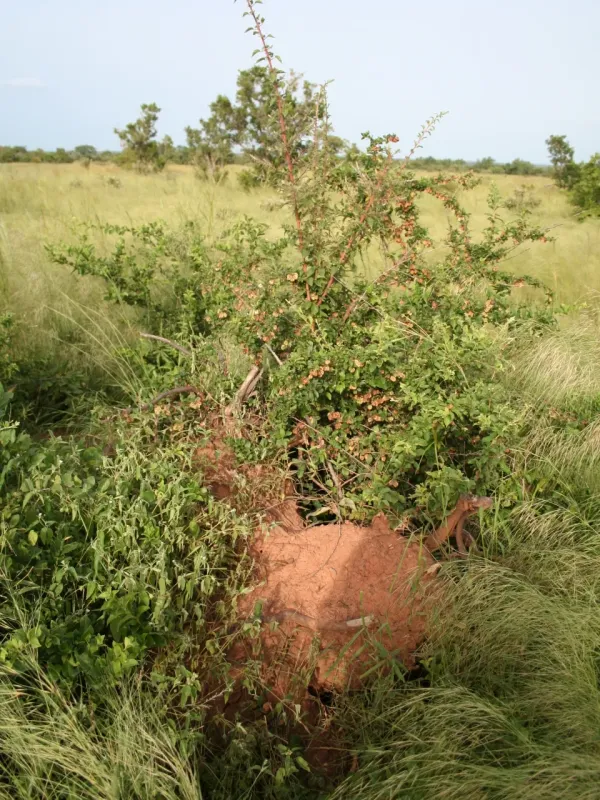
Description
Growing requirements
Combretum aculeatum is a woody shrub belonging to the Combretaceae family, native to the arid and semi-arid regions of tropical Africa. It is highly valued for its ability to thrive in challenging environments where water availability is limited.
The plant requires well-drained soils, typically favoring sandy or rocky substrates found in savannas. Its deep root system is an adaptation that allows it to access groundwater, ensuring survival during severe drought periods.
Cultivation requires full sun exposure and warm temperatures. It is not cold-hardy and should be planted in areas where the frost risk is non-existent. Proper spacing is essential to ensure adequate airflow and prevent local humidity buildup.
In terms of agricultural utility, this species is frequently used for live fencing. Its thorny nature creates impenetrable barriers that protect crops and livestock from intrusion, making it an excellent component of agroforestry systems.
The plant is also recognized for its secondary metabolites, which are explored in traditional medicine. Its wood is dense and provides a reliable source of fuel for local communities, highlighting its multi-purpose value in rural economies.
Main diseases and pests
Combretum aculeatum is generally robust, but it can be susceptible to defoliating insects during the early stages of growth. Monitoring for beetle infestations is recommended during the peak of the rainy season.
Root rot is the primary threat if the soil remains waterlogged. To mitigate this risk, ensure that the planting site has excellent drainage and avoid excessive irrigation during the cooler months of the year.
Herbivory by large mammals can damage younger plants. Establishing physical protection measures during the first year of establishment is vital to ensure the shrub reaches its full structural maturity.
While the species is hardy, localized fungal outbreaks may occur under extreme humidity. Regular pruning of damaged branches helps maintain plant health and promotes vigorous growth in the spring.
Overall, the plant requires minimal chemical intervention. Maintaining good soil structure and implementing crop rotation strategies are usually sufficient to manage the presence of typical soil-borne pests and maintain high plant vitality.